



You should choose a bathroom floor tile based on four key factors: sufficient anti-slip properties (usually a minimum of R10), an appropriate size, a colour that matches the space, and a finish that is easy to clean. Ceramic tiles are often the most practical choice for bathroom floors because they are strong, water-resistant, and low-maintenance.
The bathroom floor is exposed to water, moisture, and fluctuating temperatures daily. Therefore, it's important to consider not only appearance but also safety and maintenance. This guide will walk you through what to look for, so you can choose a floor tile that remains beautiful and is pleasant to use.
What should you consider when choosing a bathroom floor tile?
When choosing a bathroom floor tile, five factors play a role: anti-slip properties, size, colour and ambiance, finish and maintenance, and suitability for underfloor heating. We will discuss each of these below, so you can make an informed decision.
- Anti-slip (R-value): how much grip the tile offers on a wet floor.
- Size: the dimensions of the tile, which determine the aesthetic and the number of grout lines.
- Colour and ambiance: light or dark, and which look suits your bathroom.
- Finish and maintenance: matte or glossy, and how easy the tile is to keep clean.
- Underfloor heating: whether the tile is suitable for installation with underfloor heating.
What anti-slip rating does a bathroom floor tile need?
For a bathroom floor, an anti-slip rating of at least R10 is a sensible choice for most households. The R-value indicates how much grip a tile provides, ranging from R9 (little grip, for dry areas) to R13 (very high grip, for industrial wet areas).
For the bathroom, this translates to:
- R9: little grip, primarily suitable for dry areas such as a bedroom. This tile can become slippery on a wet bathroom floor.
- R10: normal grip and suitable for bathroom floors and walking areas in many households.
- R11: high grip, pleasant in the shower or walk-in shower and for more intensive use.
- R12 and R13: very high grip, intended for swimming pools, care facilities, or industrial areas. For a regular bathroom, these are usually not necessary and are also harder to clean.
Keep in mind that tiles with a higher R-value have more texture and therefore require a bit more maintenance. For most bathrooms, R10 in the walking area and R10 or R11 in the shower provides a good balance between safety and ease of cleaning.

What size floor tile is suitable for the bathroom?
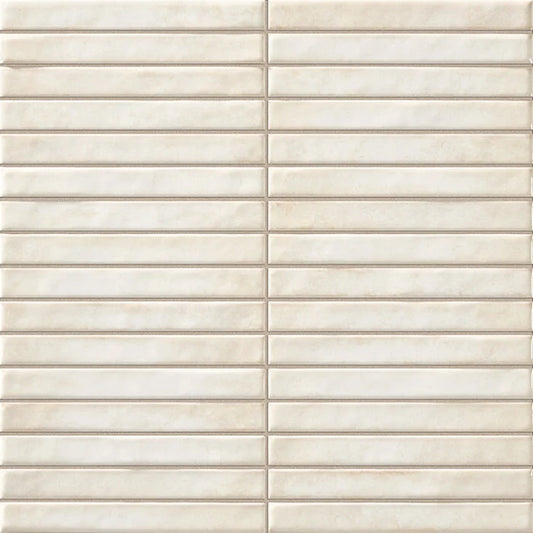
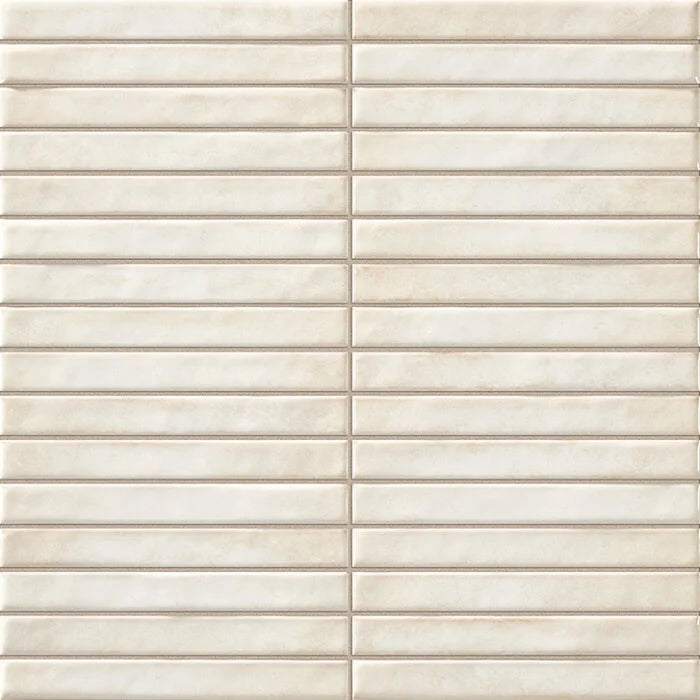
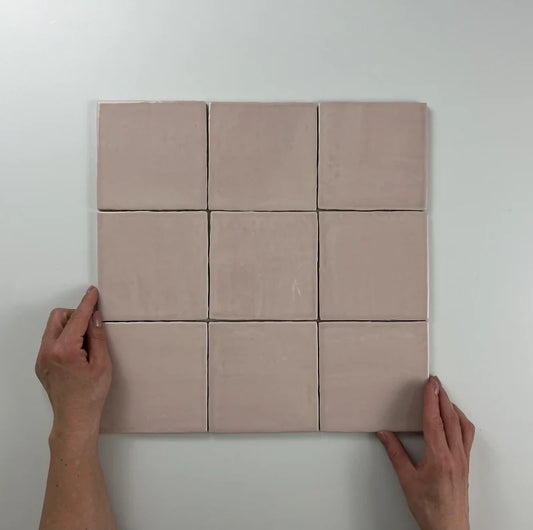
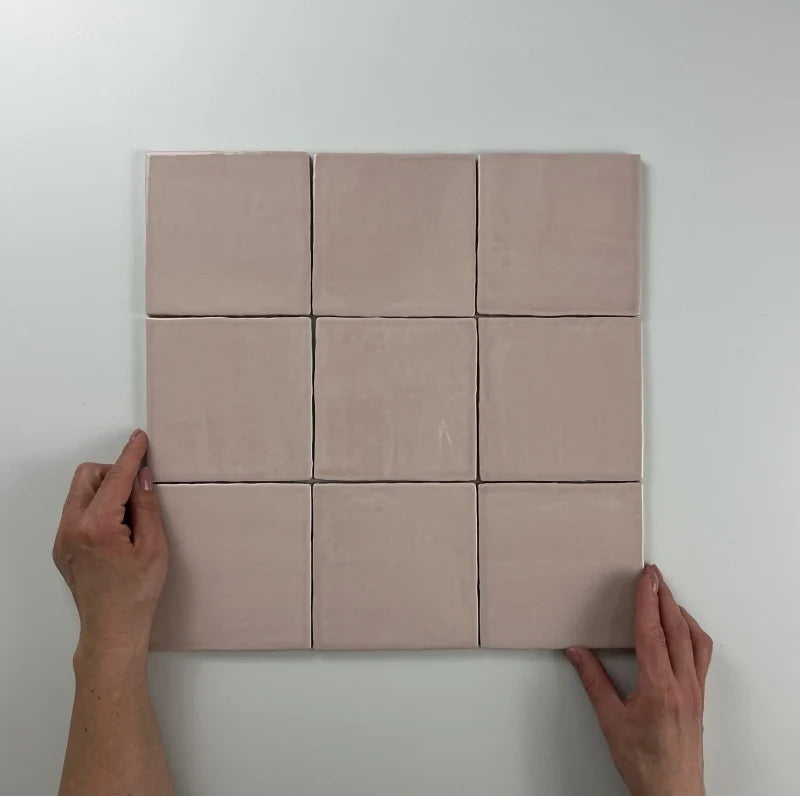
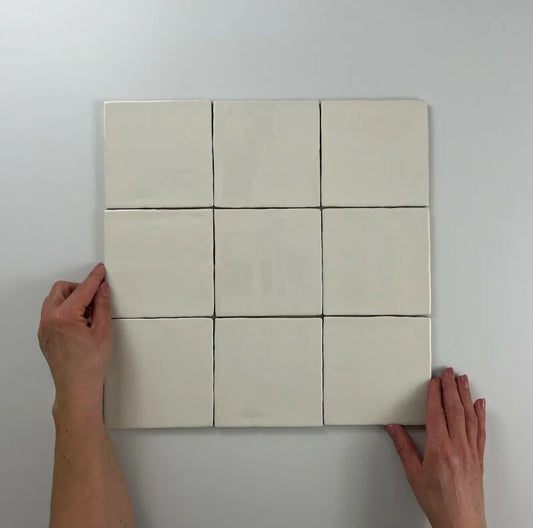
There is no mandatory size for a bathroom floor, but the size greatly determines the look. Large tiles, such as 60x60 cm or 60x120 cm, create a calm, spacious, and modern look with few grout lines. Smaller tiles or mosaics, on the other hand, provide more grip and are often used in the shower area around the slope to the drain.
In a small bathroom, large, light tiles often make the space appear larger. For the shower floor, you sometimes deliberately choose a smaller size or mosaic, because the extra grout lines provide more grip and the slope to the drain is easier to install. You can easily combine the two: a large size for the entire floor and a smaller size in the shower.
What colour floor tile should you choose for the bathroom?
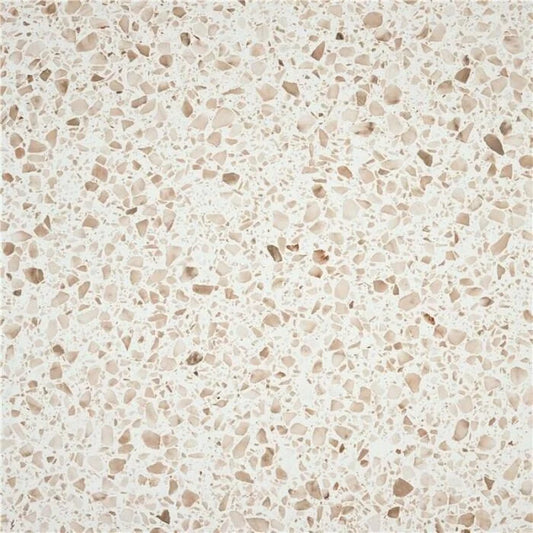
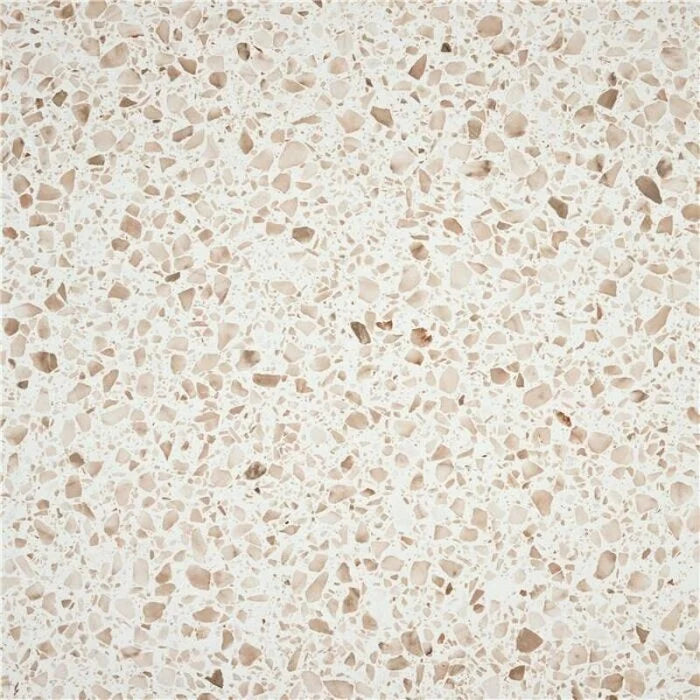
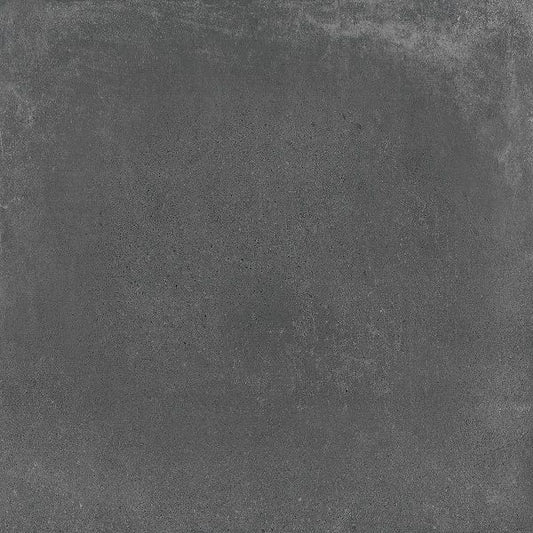
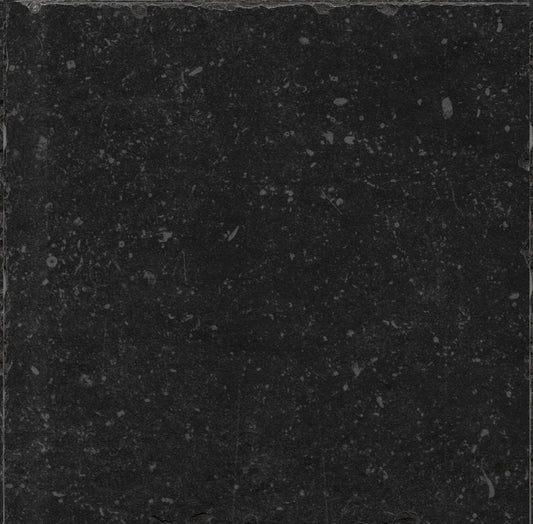
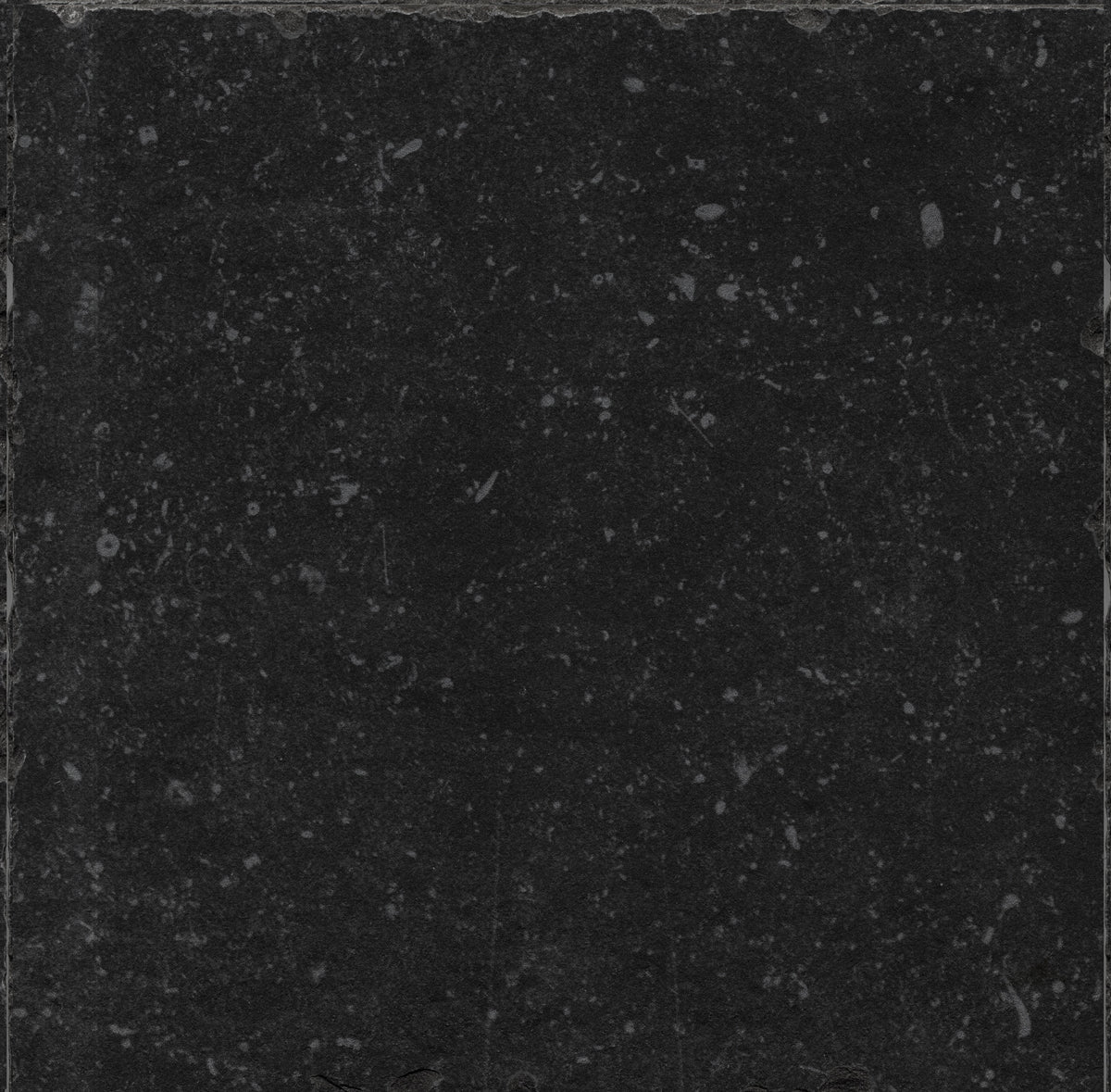
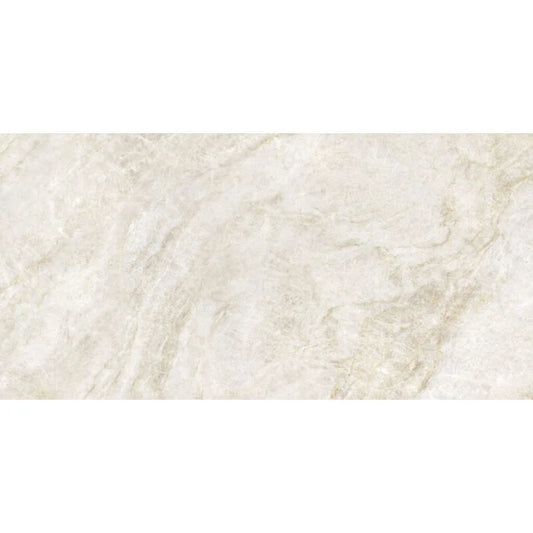
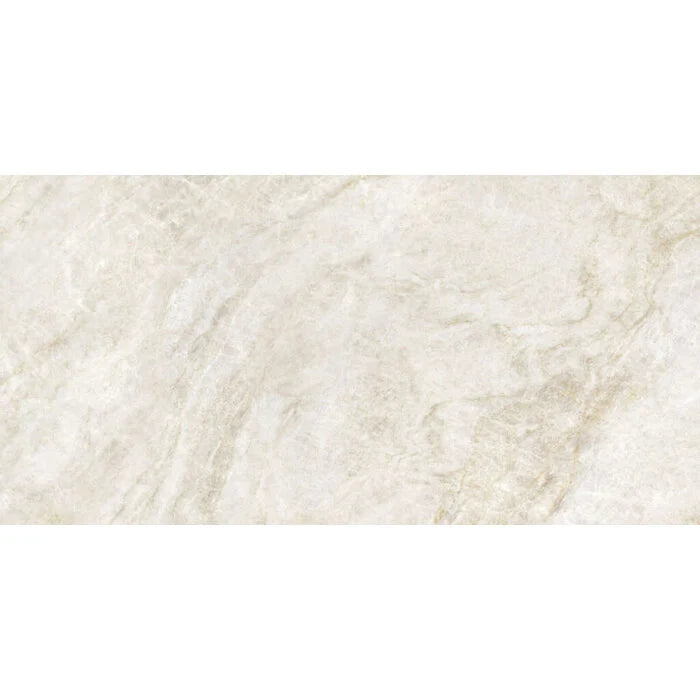
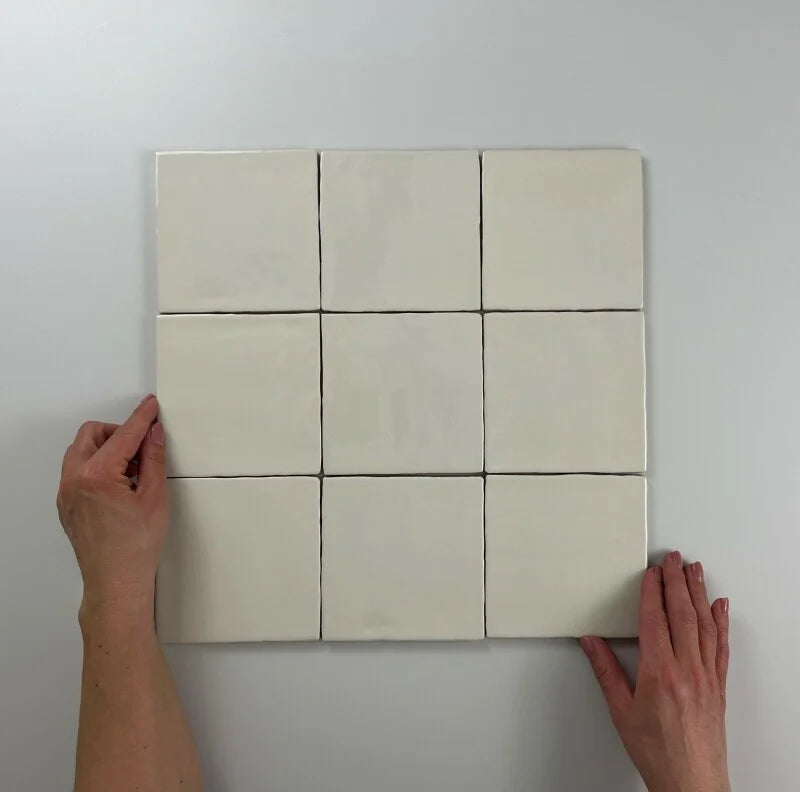
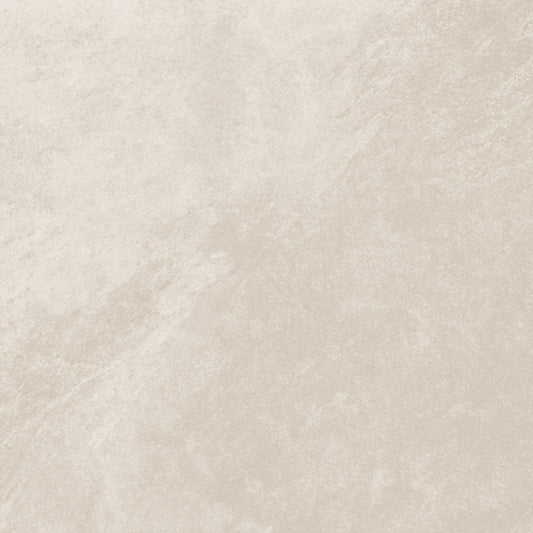
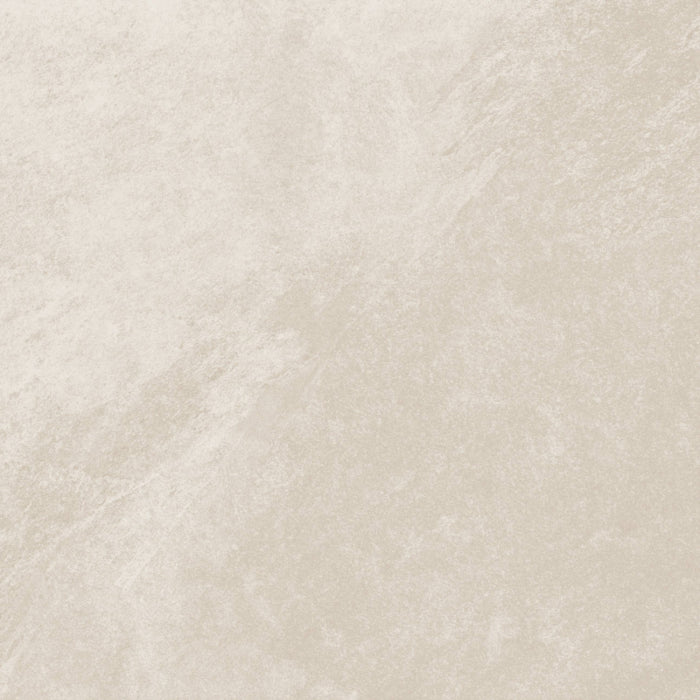
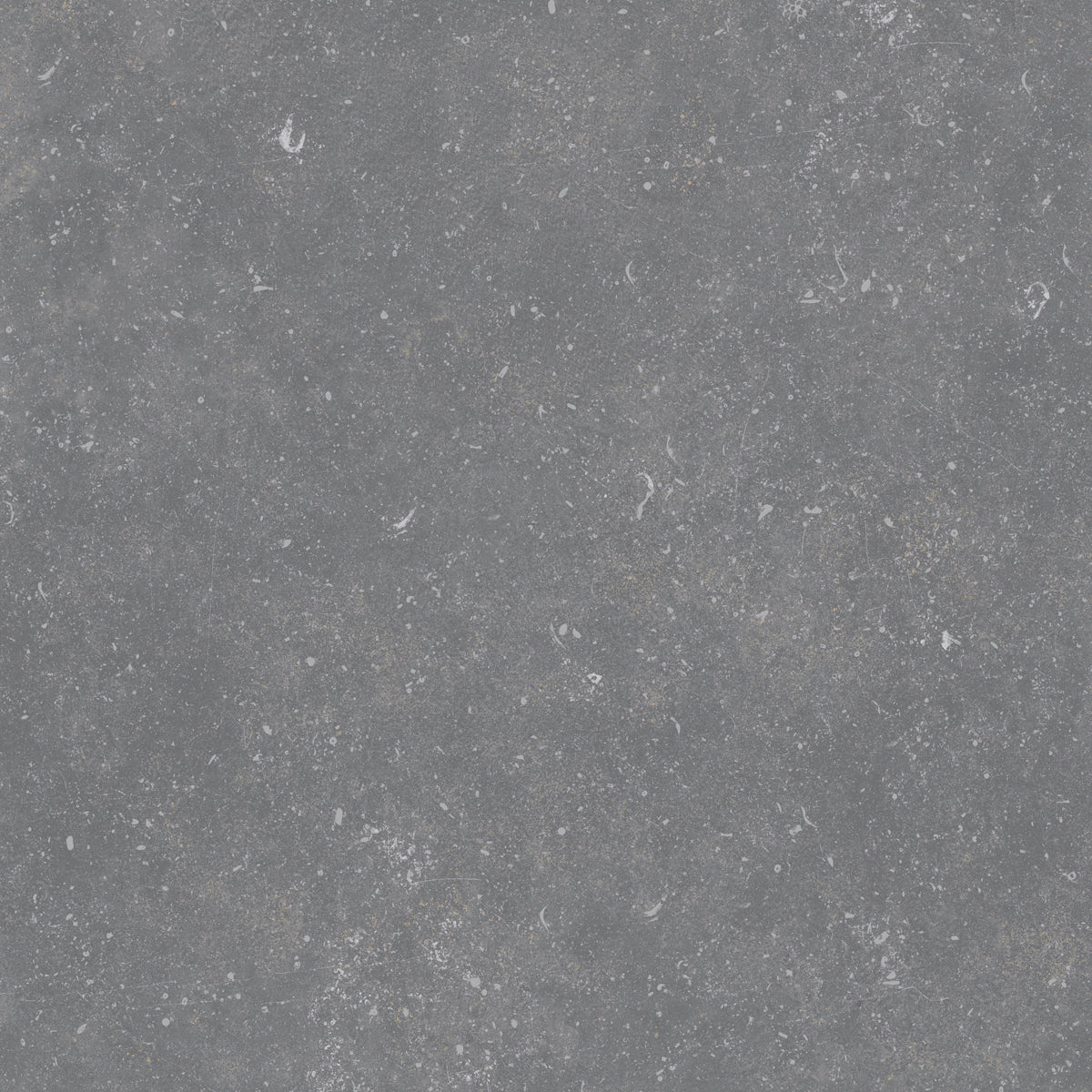
The colour of the floor tile determines the ambiance of your bathroom. Light tiles, such as white, beige, cream, and soft grey tones, make the space feel airy and larger. Dark tiles, such as anthracite and black, create a luxurious and atmospheric look, but show limescale and water spots more quickly.
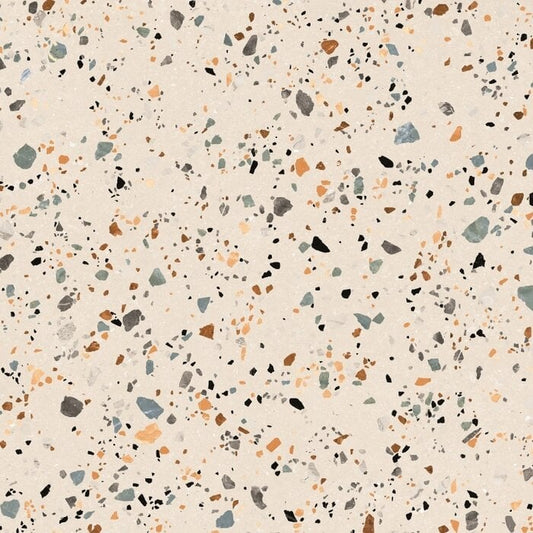
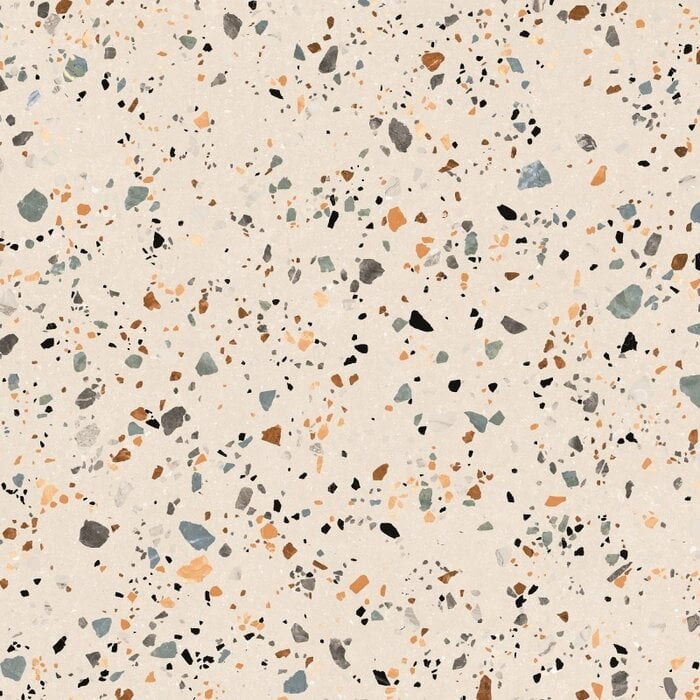
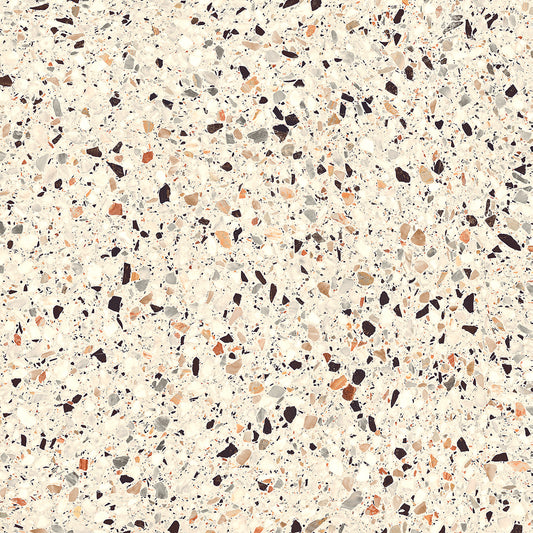
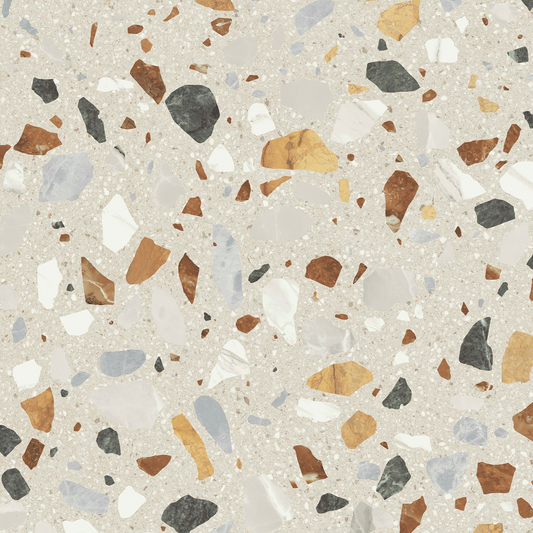
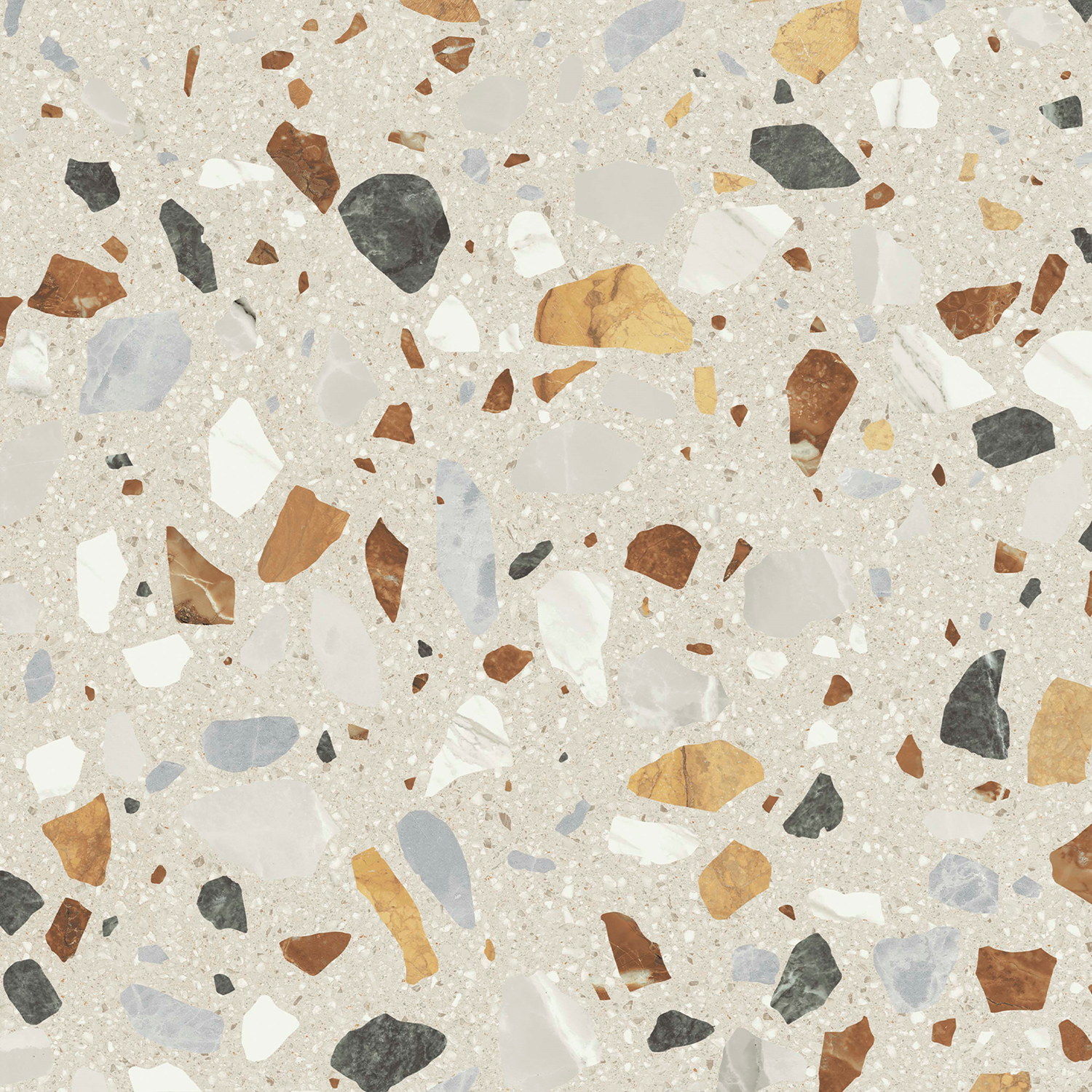
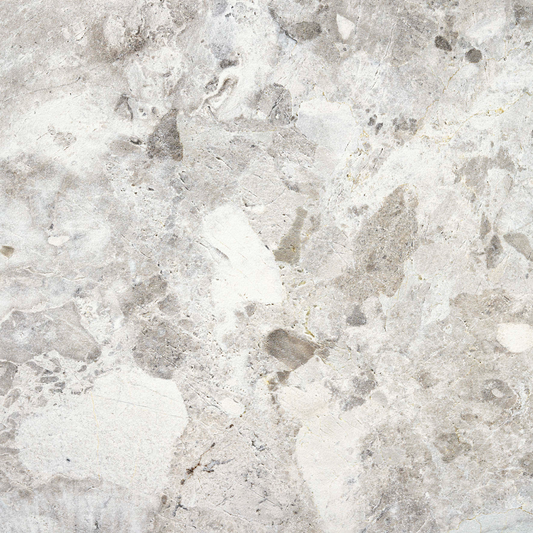
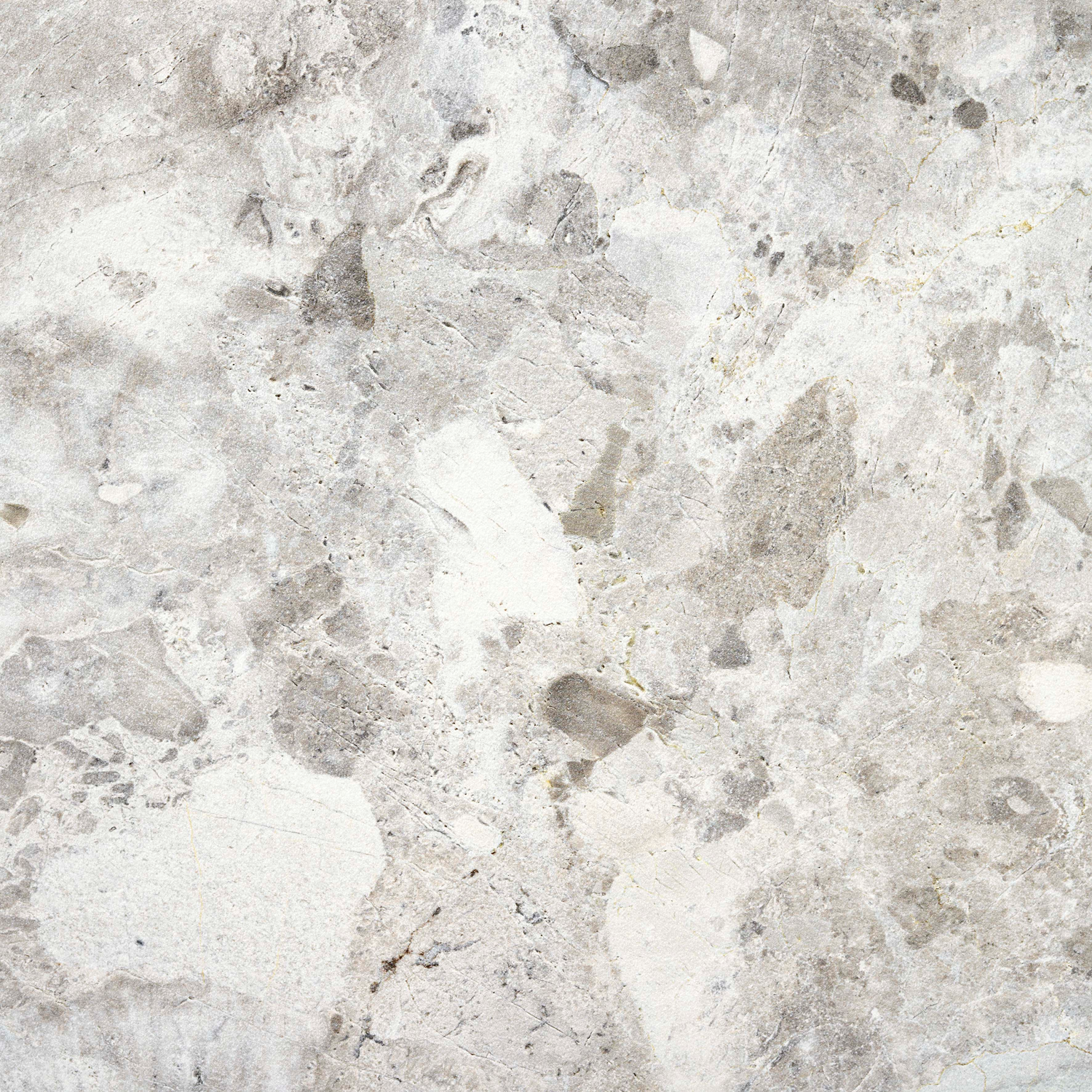
When choosing a colour, consider maintenance. Limescale and a dull haze are more visible on dark and matte tiles than on light tiles. If you opt for dark tiles, it's advisable to wipe the floor dry after showering. In addition to solid colours, popular looks such as concrete look, marble look, and terrazzo look offer a plain floor a bit more character.
Matte or glossy: which is better for the bathroom floor?
For the bathroom floor, a matte or lightly textured finish is often chosen because it offers more grip than a smooth, glossy tile. Glossy floor tiles are beautiful and easy to clean, but can feel more slippery on a wet floor.
A matte tile with an R10 or R11 rating combines grip with a calm appearance and is therefore a popular choice for bathroom floors. Glossy tiles are more often used on walls, where grip is not a factor and the gloss adds extra light to the room.
Is a floor tile suitable for underfloor heating in the bathroom?
Many ceramic floor tiles are suitable for underfloor heating, but this is always indicated in the product specifications. Ceramics conduct heat well and retain it, making tiles and underfloor heating a popular combination in the bathroom.
Before choosing, check if the tile is specified as suitable for underfloor heating. At WDTegels.com, you can find this information in the product specifications, along with the anti-slip rating, size, and whether the tile is rectified. This ensures that the tile matches your bathroom and your installation.
How to choose a low-maintenance bathroom floor?
You choose a low-maintenance bathroom floor by paying attention to the material, colour, and finish. Ceramic tiles absorb little dirt and are generally easy to keep clean. Light, plain tiles show limescale and water spots less quickly than dark or heavily textured tiles.
Do you want as little maintenance as possible? Then choose a light, matte ceramic tile with an R10 rating and a plain or subtle texture. Briefly wipe the floor dry after showering and ensure good ventilation so that limescale has less chance to build up.
Conclusion: how to choose the right floor tile for the bathroom
You choose a good bathroom floor tile by considering anti-slip properties, size, colour, finish, and suitability for underfloor heating together. For most bathrooms, a ceramic tile with at least R10, a size that fits the space, and a light, easy-to-maintain finish is a safe choice.
At WDTegels.com, you will find a wide range of floor tiles for the bathroom in various sizes, colours, and looks. The specifications of each tile immediately show the anti-slip rating, size, and whether the tile is suitable for underfloor heating, so you can make an informed decision.
FAQ
Which floor tile is best for the bathroom?
A ceramic tile with an anti-slip rating of at least R10 is a good choice for most bathrooms. It offers sufficient grip on a wet floor and is easy to keep clean.
What anti-slip rating do I need for a bathroom floor?
For the walking area of the bathroom, R10 is sufficient in many households. In the shower or walk-in shower, you often choose R10 or R11 for extra grip.
What tile size is best for a small bathroom?
Large, light tiles often make a small bathroom appear more spacious. For the shower floor, you sometimes choose a smaller size or mosaic, because the extra grout lines provide more grip.
Are dark floor tiles suitable for the bathroom?
Dark floor tiles are suitable and provide a luxurious look, but show limescale and water spots more quickly. Wipe the floor dry after showering to minimize this.
Is a bathroom floor tile suitable for underfloor heating?
Many ceramic floor tiles are suitable for underfloor heating. Always check the product specifications before ordering the tile.


