

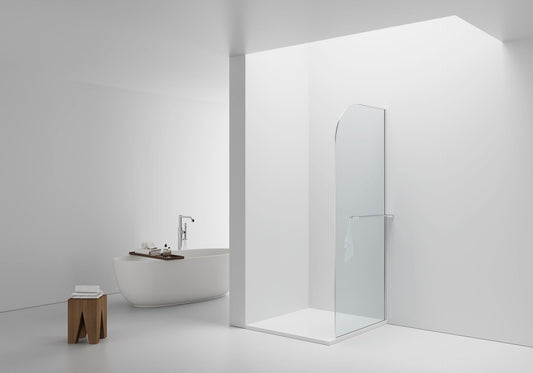
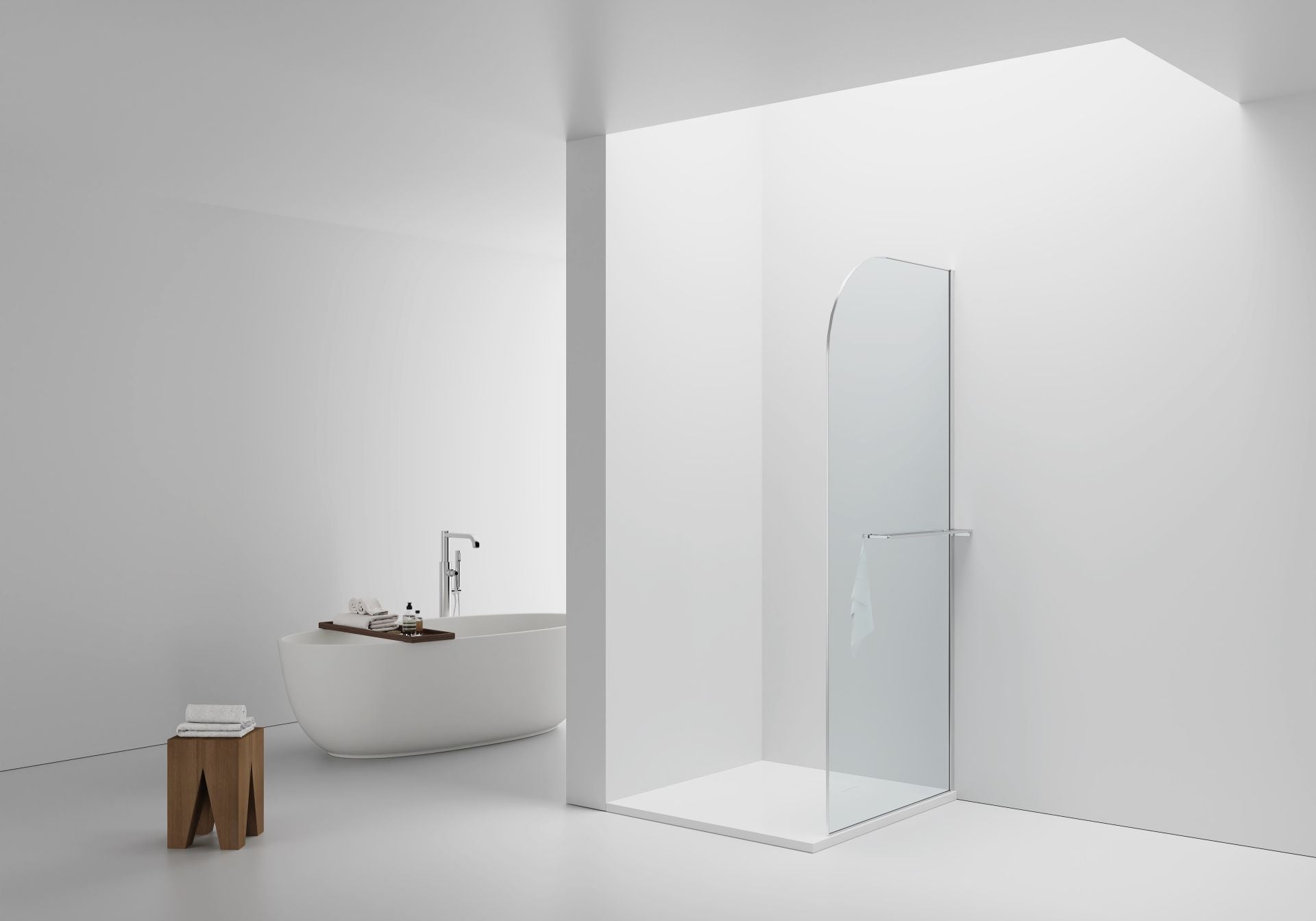


Matte floor tiles are popular because they create a calm look, reflect less light, and work well in bathrooms, kitchens, and living rooms. However, a matte finish alone does not determine whether a floor is practical. The material, size, surface texture, and slip rating also make a difference. Below, you’ll find practical guidance on styles, sizes, laying patterns, maintenance, and important considerations when ordering. Want to browse and compare the full range right away? See all floor tiles.
Why matte floor finishes are so popular
A matte floor usually looks calmer than a glossy one because it reflects light more softly and the tile is less visually prominent. This makes a matte finish suitable for many interior styles: modern, industrial, minimalist, and country. Its popularity is mainly due to its atmosphere and appearance, not just trends. However, the final look varies significantly depending on the color, size, and surface texture you choose.
From concrete look to marble look: how to choose a matte tile that suits your space
Most people choose a matte ceramic floor tile: durable, practical, and available in many styles. Natural stone adds more character, but each type requires more attention to maintenance and protection. Popular choices include concrete-look tiles, stone or sandstone looks, terrazzo influences, and matte marble looks. Light white or gray makes a space feel larger; black or dark anthracite adds depth and contrast. Nuance, texture, and straight edges are what make a floor look sleek or natural. Unsure about the color or texture? Start by requesting tile samples or book an appointment to visit the showroom.
Size and laying pattern determine the final result more than you think
| Choice | Effect on the space | Practical consideration |
|---|---|---|
| 30x30 and 45x45 | More traditional, convenient in smaller spaces | More grout lines, so the floor looks busier |
| 60x60 and 30x60 | A popular balance between a calm look and flexibility | Suitable for many layouts and interior styles |
| 60x120 and 120x120 | Clean, spacious, and modern | Rectified tiles require more precise installation |
| Brick bond, herringbone, and other offset patterns | More dynamic | For elongated tiles, stick to a one-third offset in most cases |
| Hexagon and mosaic | Works well as an accent, zone, or smaller floor | Can look busier faster across large areas |
In the bathroom, kitchen, or living room? Where matte floor tiles work best
Matte floor tiles work especially well in bathrooms, kitchens, toilets, and heavily used living spaces. When choosing a bathroom floor tile, consider moisture, bare feet, and grip; in the kitchen, grease, spills, and cleaning matter; in the living room, foot traffic plays a major role. Matte finishes are popular in bathrooms, but the right slip rating matters more than appearance alone. Light matte floors make a room look larger, while dark ones add contrast and depth.
Pairing matte floor tiles with wall tiles without making the space feel busy
A continuous floor-and-wall combination works well if you want a calm, cohesive look, especially in the bathroom. You don't need to use the same size everywhere. Color, finish, and overall feel are more important for a coordinated look. A matte floor pairs well with 25x40 wall tiles, metro tiles, or handmade-look tiles as an accent. Contrast often works better than matching: a simple floor can pair beautifully with smaller or more striking wall tiles.
Grip and maintenance: what you really need to pay attention to
- The slip resistance rating (R-rating) of tiles is often expressed as R9, R10, and higher; R9 usually offers less additional grip, while R10 and higher provide greater slip resistance.
- The right R-rating depends on the room, moisture, use, and product specifications.
- A matte tile isn't automatically slip-resistant enough for every wet area.
- Surface texture and intended use matter more than the matte appearance alone.
- Clean matte ceramic floors regularly with a suitable residue-free cleaner.
- Avoid products that leave a film or make the floor look duller or feel more slippery.
Ordering and installation: where things most often go wrong
- Order enough all at once; the batch, shade, and caliber may visibly differ later.
- Don't order exactly the calculated amount; allow extra for cutting waste and spares.
- With diagonal, staggered, or herringbone patterns, waste is usually higher.
- Plan ahead for profiles or strips at edges, corners, and transitions, especially with matte black tiles.
- Custom-cut floor tiles usually means cutting them to fit the room.
- If you're unsure about the color or texture, first assess a sample when choosing a larger quantity of tiles.
Frequently asked questions about matte floor tiles
After using the selection guide, a few practical questions often remain. Here are the briefest answers to help you move forward right away.
How many m2 do 60 tiles measuring 60x60 cover?
60 tiles measuring 60x60 cm cover a total of 21.6 m². The calculation is simple: one tile is 0.6 x 0.6 meters, or 0.36 m². Multiply that by 60 and you get 21.6 m². You’ll need to add extra for cutting waste. Also always check the product specifications, as the number of tiles per box varies by brand or range.
What are the tile trends for 2026?
Large formats, understated matte finishes, and natural concrete, stone, and marble looks remain popular. They create less visual clutter, often give a cleaner grout-line appearance, and make for more seamless floor-to-wall combinations. But trendy does not mean timeless. The best choice is still a tile that suits the intended use, maintenance needs, light, and size of the room.
How can I make my tiles shine?
With matte tiles, shine is not the goal. When cleaning a tiled floor, the main thing is to leave it clean, even, and streak-free. If there is a dull film or soap residue on the floor, first remove it thoroughly with a suitable, residue-free cleaner. It’s best to avoid shine products or cleaners that leave a coating, as these change the matte appearance and can make the floor more slippery.
What should not be used on ceramic tiles?
Do not use harsh or unsuitable cleaners, oily soaps, wax coatings, or abrasive tools without checking that they are suitable. These can cause problems not only for the tile itself, but also for the grout and any protective coatings. The safest rule of thumb is simple: follow the product instructions and test a cleaner on an inconspicuous spot first.
Can I lay matte floor tiles over existing tiles?
This is often possible if the old tiles are firmly attached, the subfloor is stable, and the surface is prepared clean and grease-free. Be sure to consider the build-up height, doors, thresholds, slope, and the right primer and adhesive. A quick check of the existing floor can prevent a lot of repair work later and increase the chances of a level finish.
How much does a 60x60 floor tile weigh?
The weight of a 60x60 floor tile depends on the material, thickness, and packaging. So don’t look only at the size; check the kg per box or kg per m² in the product specifications. This is practically relevant for transport, lifting, storage, and assessing whether the subfloor and upper floor can support the load.


