





Matte black, gold and stainless steel taps look their best when wiped regularly with a soft cloth and cleaning products are used carefully. Limescale, soap residue and harsh cleaners can particularly damage the finish or make it look dull when left on for too long.
The best approach depends on the specific finish of the tap. In this article, you will learn how to safely and practically maintain matte black, gold, stainless steel, chrome and PVD finishes.
Why does every tap finish require different maintenance?
The visible outer layer of a tap largely determines how sensitive the surface is to scratches, limescale stains and cleaning products. A matte finish reacts differently to dirt than a high-gloss chrome layer, while a PVD finish has a different structure from a standard painted colour layer.
That is why it is advisable not to automatically use the same cleaning product for every tap. If in doubt, always check the manufacturer's care instructions or those for the specific product before applying a cleaner.
Would you like to compare different colours and designs first? Then view the complete collection of taps from WDTegels.com, including basin, bath, kitchen and shower taps in a range of finishes.
The basics: how to maintain virtually any tap
For daily maintenance, little is usually needed. A soft cloth, lukewarm water and regular drying help remove soap residue and water droplets before they can dry.
Preferably avoid hard brushes, scouring pads or abrasive powders. These can cause small scratches that become noticeable quickly, especially on matte and dark taps.
- Wipe the tap regularly with a soft, damp cloth.
- Dry the surface after use or cleaning with a soft, dry cloth.
- Only use a mild cleaning product when water alone is not sufficient.
- Do not leave cleaning products on the tap for longer than necessary.
- Avoid scouring pads, steel wool and abrasive cleaning powders.
- If there is limescale, first check the manufacturer's care instructions.
It is best to test a new cleaner first on a small, less noticeable area. Especially with coloured or coated taps, careful maintenance is more important than vigorous scrubbing.
How do you maintain a matte black tap?
On a matte black faucet, dried water droplets and light limescale stains are relatively quick to become visible. This does not mean that the finish is difficult to maintain, but regular drying is more effective than intensive cleaning from time to time.
Use a soft cloth and lukewarm water for daily maintenance. When additional cleaning is needed, choose a mild product that is suitable for the finish in question according to the product or manufacturer's instructions.
An example from the range is the Wiesbaden Caral kitchen mixer tap in matte black. This faucet has a dark matte finish, which means limescale and light splashes may be more noticeable than on a glossy chrome surface.
The washbasin faucet collection also includes various black models. By consistently combining the faucet, accessories, and, for example, a black shower profile color, you can carry the dark finish throughout the bathroom.
How do you keep a gold faucet looking its best?
Gold faucets are available in various finishes, including polished gold and brushed versions. Maintenance therefore depends not only on the color but mainly on how that color layer has been applied.
An example is the Stria washbasin mixer tap in Brushed Gold PVD. In this specific model, the golden appearance is combined with a PVD finish. Here too, gentle cleaning remains important: do not use abrasive materials, and follow the product's maintenance instructions for stubborn deposits.
With a brushed finish, it is also advisable not to scrub aggressively across the grain. Use a soft cloth and gentle movements to keep the surface clean without causing unnecessary friction.
Within the bathroom faucet and washbasin faucet collections, you will find several warm metal finishes, including brushed gold, brass, copper, and bronze. When choosing, consider not only the color but also the type of finish and the maintenance instructions.
What is PVD, and does it require special maintenance?
PVD is a finishing technique used on various colored faucets. The WDTegels.com range includes, for example, PVD versions in matte black, gunmetal, brushed gold, brass, and bronze.
This does not mean that a PVD faucet can withstand every cleaner indefinitely. A PVD surface also needs to be maintained carefully. Therefore, avoid abrasive materials and highly aggressive cleaning products, and follow the maintenance instructions provided with the specific product.
With daily use, preventive maintenance remains the simplest approach. When water and soap residue are removed regularly, you will have less stubborn limescale to remove later.
How do you maintain a stainless steel or brushed stainless steel faucet?
Stainless steel and stainless steel-look finishes are popular choices because of their calm, neutral appearance. Fingerprints and limescale can be visible on brushed stainless steel, but they can usually be easily reduced by wiping and drying the surface regularly.
A specific example is the Stria basin mixer tap in Brushed Stainless Steel. The brushed texture gives the faucet a different appearance from high-gloss chrome and pairs well with other stainless steel-colored bathroom accessories.
Preferably clean a brushed surface with a soft cloth and avoid vigorous scrubbing. When using a specific cleaner, check whether it is suitable for the material and finish of the faucet.
Stainless steel and stainless steel-look versions are also available for kitchen faucets. In the kitchen, drying the faucet regularly can be especially useful because it is often used several times a day.
How do you maintain a chrome faucet?
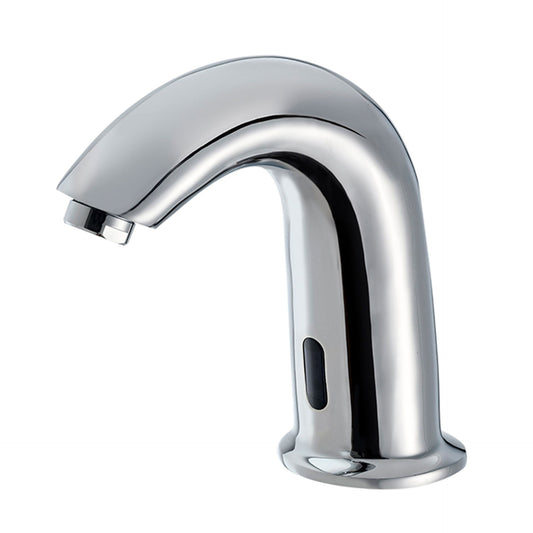
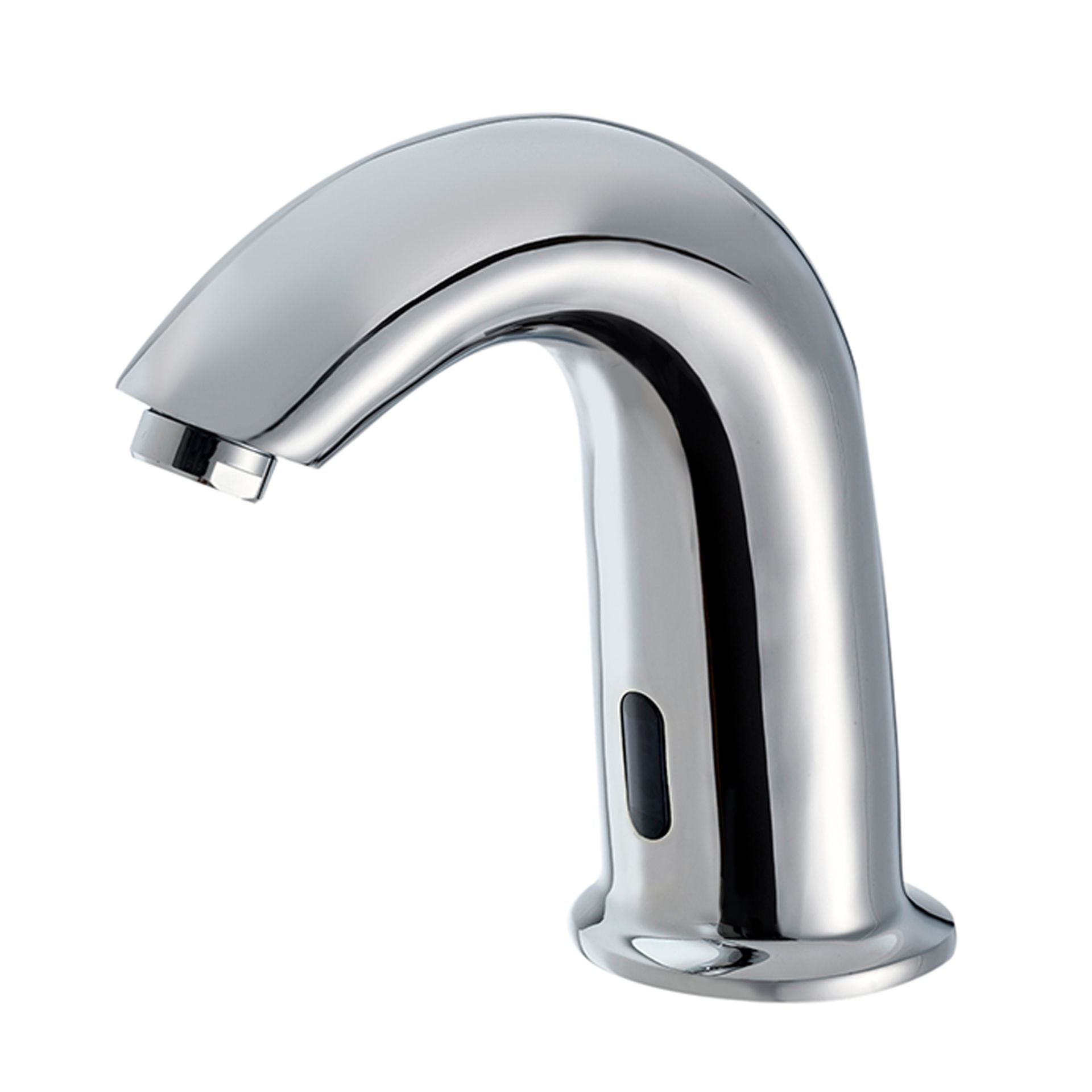
Chrome is a common faucet finish with a smooth, glossy surface. Water drops and limescale can be clearly visible on the mirror-like surface, so drying the faucet regularly also makes a difference here.
Do not use a hard scouring pad to remove limescale. Scratches are quickly noticeable on shiny chrome and cannot be easily polished away. A soft cloth and a suitable mild cleaning product are therefore a better first step.
If you would like to compare different versions side by side, the general faucets collection offers a wide range of chrome alongside matte black, stainless steel, gunmetal, and other colors.
Which cleaning products are best avoided?
A powerful cleaning product is not automatically better. With faucets, an aggressive chemical cleaner can actually damage the visible finish, especially when used too concentrated or left on the surface for too long.
Therefore, be careful with abrasive powders, hard sponges, steel wool and highly aggressive acidic or chlorine-based products, among other things. Also do not use an unknown descaler without first checking whether it is suitable for the faucet finish.
Especially with matte black, gold, copper, bronze, gunmetal and other colored surfaces, it is advisable to follow the product instructions. The exact coating may differ from one faucet to another.
Can you use vinegar to remove limescale from faucets?
Vinegar is often mentioned as a household remedy for limescale, but it is not automatically suitable for every faucet. Acids can damage certain coatings and finishes, especially when applied in concentrated form or left on for a longer period.
Therefore, do not routinely use undiluted vinegar on a black, gold or other colored faucet. First check the manufacturer's care instructions and, if in doubt, choose a cleaner explicitly suitable for the relevant finish.
The same applies to other acidic products. The safest approach is to prevent limescale from becoming thick by regularly removing water droplets.
Why is preventive maintenance so important?
The longer water droplets are left to dry, the greater the chance of visible limescale residue. This is especially true around the spout, handle and base of the faucet, where water can easily collect.
By briefly drying the faucet after use, you prevent every cleaning session from turning into a descaling session. This is not only easier, but also reduces the need to use stronger cleaning products.
For a bathroom faucet that is used several times a day, a dry microfiber cloth in the bathroom can therefore make a big difference. The same applies to kitchen faucets and bathtub faucets.
Don't forget the aerator
Not all limescale is found on the outside of a faucet. The aerator at the end of the spout can also accumulate limescale over time. This can affect the shape or consistency of the water stream.
First check the manual to see how the aerator on your faucet may be removed and cleaned. Not every model has the same construction, and some faucets require special tools or a specific procedure.
When reinstalling parts, make sure they are assembled correctly and do not force anything. If in doubt, it is wiser to follow the product manual than to use tools on the visible surface of the faucet.
Common mistakes when cleaning faucets
A common mistake is to wait until a thick layer of limescale is visible and then try to scrub it off forcefully. This increases the risk of scratches and damage to the finish.
Spraying a strong cleaning product directly onto the faucet is not always advisable either. The product can get into seams or openings and remain on the surface longer than intended. It is therefore better to apply a suitable cleaning product according to the instructions for use.
Finally, all black or gold faucets are sometimes treated as if they were the same. In reality, the material and coating may differ from one product to another. Therefore, check the specific finish of each faucet.
Conclusion: how to keep black, gold, and stainless steel faucets looking beautiful
The most important aspect of faucet maintenance is cleaning regularly and carefully. Remove water droplets and soap residue promptly, use a soft cloth, and avoid abrasive materials and harsh cleaners.
For matte black, gold, stainless steel, chrome, and PVD finishes, the recommended maintenance method may vary by product. Therefore, always check the instructions for the specific model before using a descaler or other cleaning product.
Would you like to compare different finishes? Then view the complete collection of faucets at WDTegels.com, with faucets for the bathroom, toilet, and kitchen in a wide range of colors and designs.
Frequently asked questions about faucet maintenance
Can you use vinegar to descale a faucet?
Not every faucet finish is suitable for vinegar. Acidic products can damage the top layer, especially on colored, matte, or coated surfaces, when used incorrectly. Therefore, always check the manufacturer's care instructions before using vinegar or another acidic descaler, and never automatically use pure vinegar as a standard solution.
Why is limescale more noticeable on a matte black faucet?
Limescale is usually light in color and therefore contrasts strongly with a dark surface. On a matte black faucet, dried water droplets are often more noticeable than on a lighter or glossy finish. Drying the faucet regularly helps prevent these visible limescale marks as much as possible.
Is a PVD faucet easy to maintain?
PVD is used as a finish on various colored faucets, but a PVD surface also requires careful maintenance. Use a soft cloth and avoid abrasive materials and harsh cleaning agents. Also always check the product-specific care instructions, as the construction and recommended cleaning method may vary by faucet.
How do you clean a brushed stainless steel tap?
Start with a soft cloth and lukewarm water, then dry the tap thoroughly. If you need a cleaning product, choose one that is suitable for the stainless steel finish in question. Do not use steel wool or a hard scouring pad, as these can cause visible scratches in the brushed surface.
Can you use a scouring pad on a tap?
A scouring pad is not a good choice for most visible tap finishes. Its abrasive surface can cause fine scratches that are particularly visible on matte black, chrome, and brushed finishes. Therefore, use a soft cloth or a sponge without an abrasive side instead.
How often should you clean a tap?
That depends on usage and the amount of limescale in the water. Regularly wiping and drying the tap briefly is usually more effective than waiting until a lot of buildup is visible. A tap that is used several times a day, such as a kitchen or bathroom sink tap, can therefore be dried briefly more often.
Which cleaning products are best avoided?
In any case, avoid abrasive cleaning products, steel wool, and hard scouring pads. Also be careful with strong acids, chlorine-based products, and concentrated limescale removers. For colored or coated taps, always check whether a product is explicitly suitable for the finish in question.
How do you prevent limescale on a black tap?
The simplest way is to prevent water droplets from drying for long periods. After use, briefly wipe the tap with a soft, dry cloth, especially around the base, handle, and spout. This means you will need to use limescale remover less often, and the black finish will continue to look more even.
Can the same cleaner be used for black, gold, and stainless steel?
Not automatically. Two taps may have the same color but use a different coating or surface treatment. Therefore, always check the material and finish of the specific product and follow the corresponding care instructions.
How do you clean a tap aerator?
When there is limescale in the aerator, it is important to first check how it may be removed from your tap. Some models can simply be unscrewed, while others require a specific key or method. Therefore, follow the instructions and prevent tools from scraping against the visible tap surface.


