

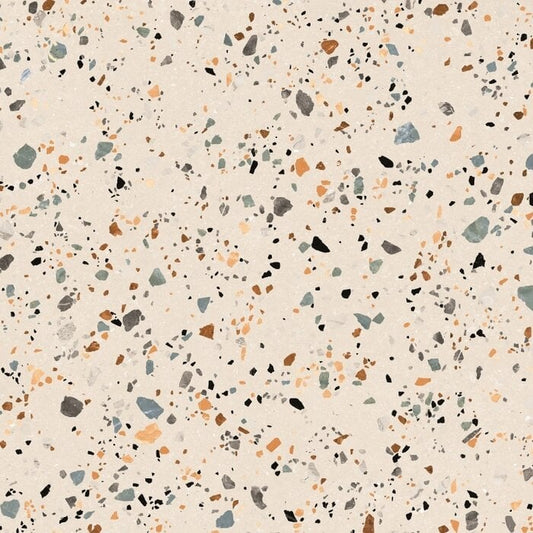
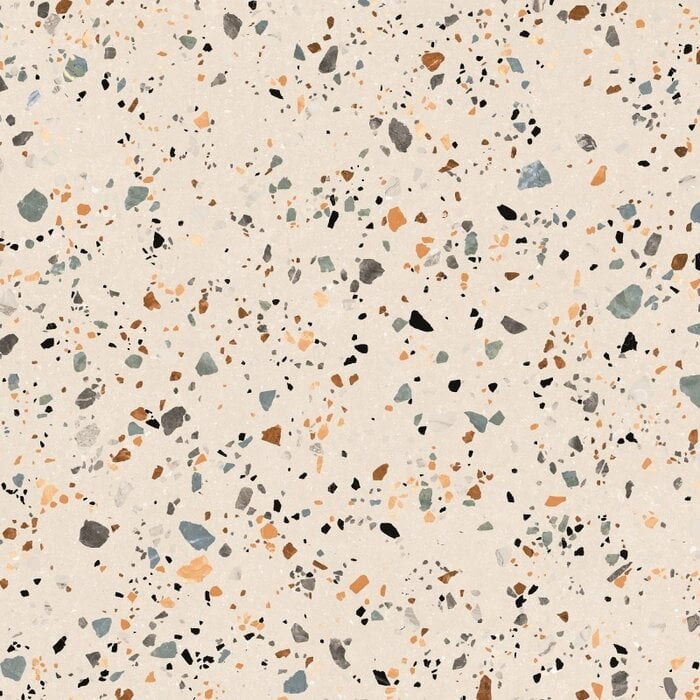
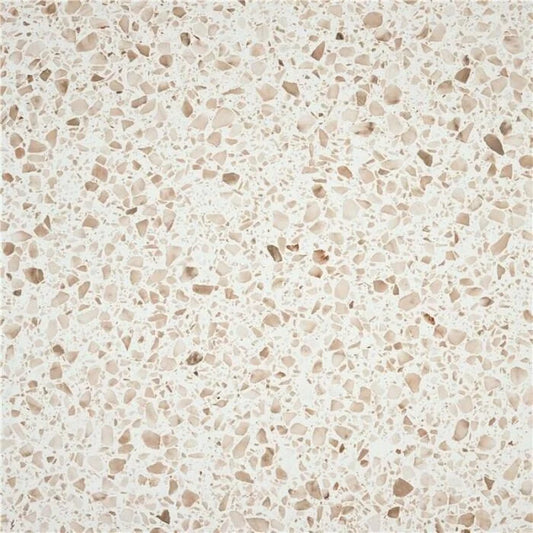
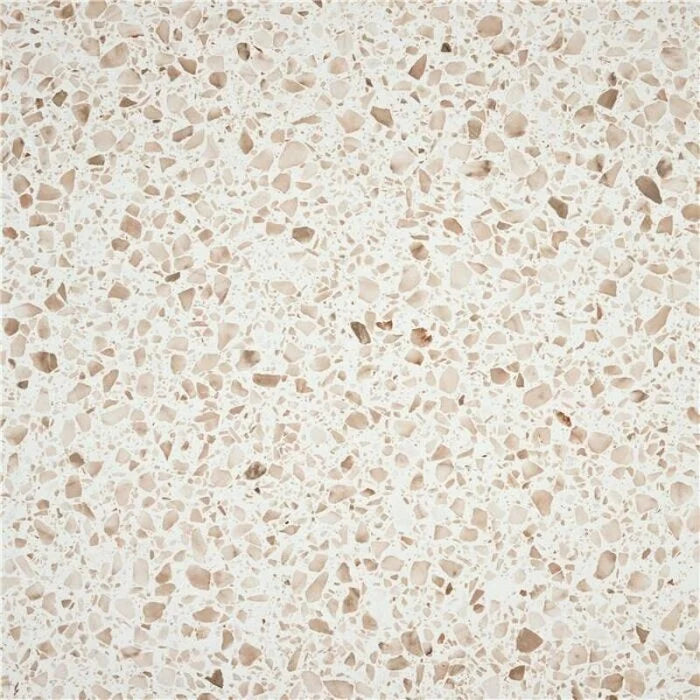
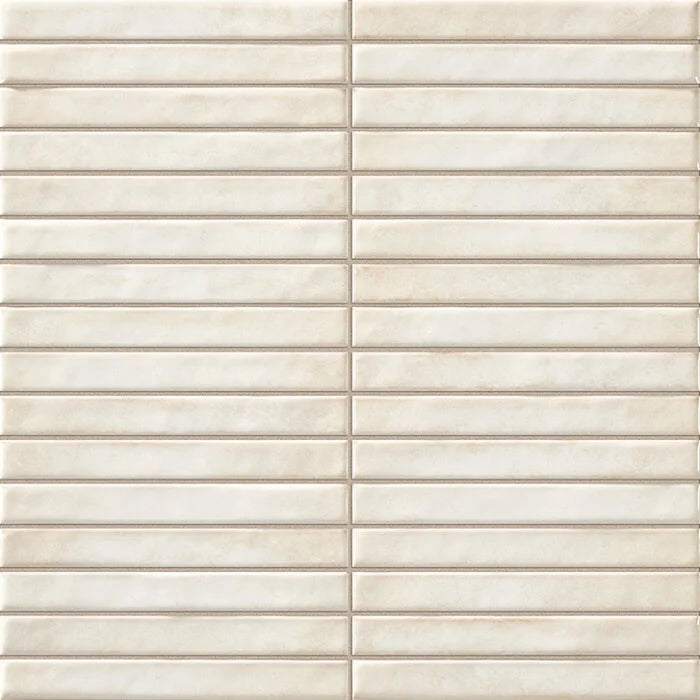
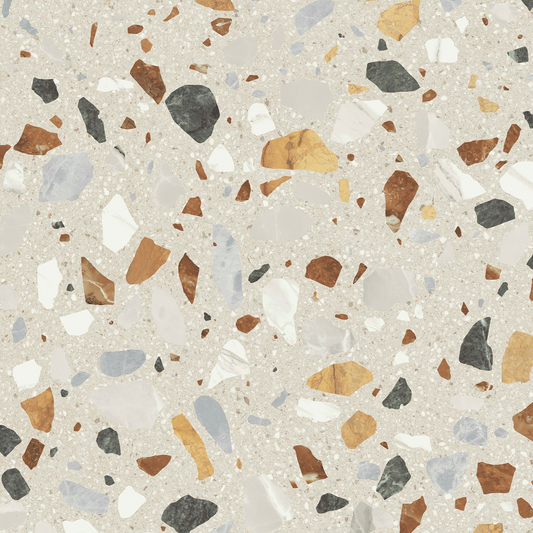
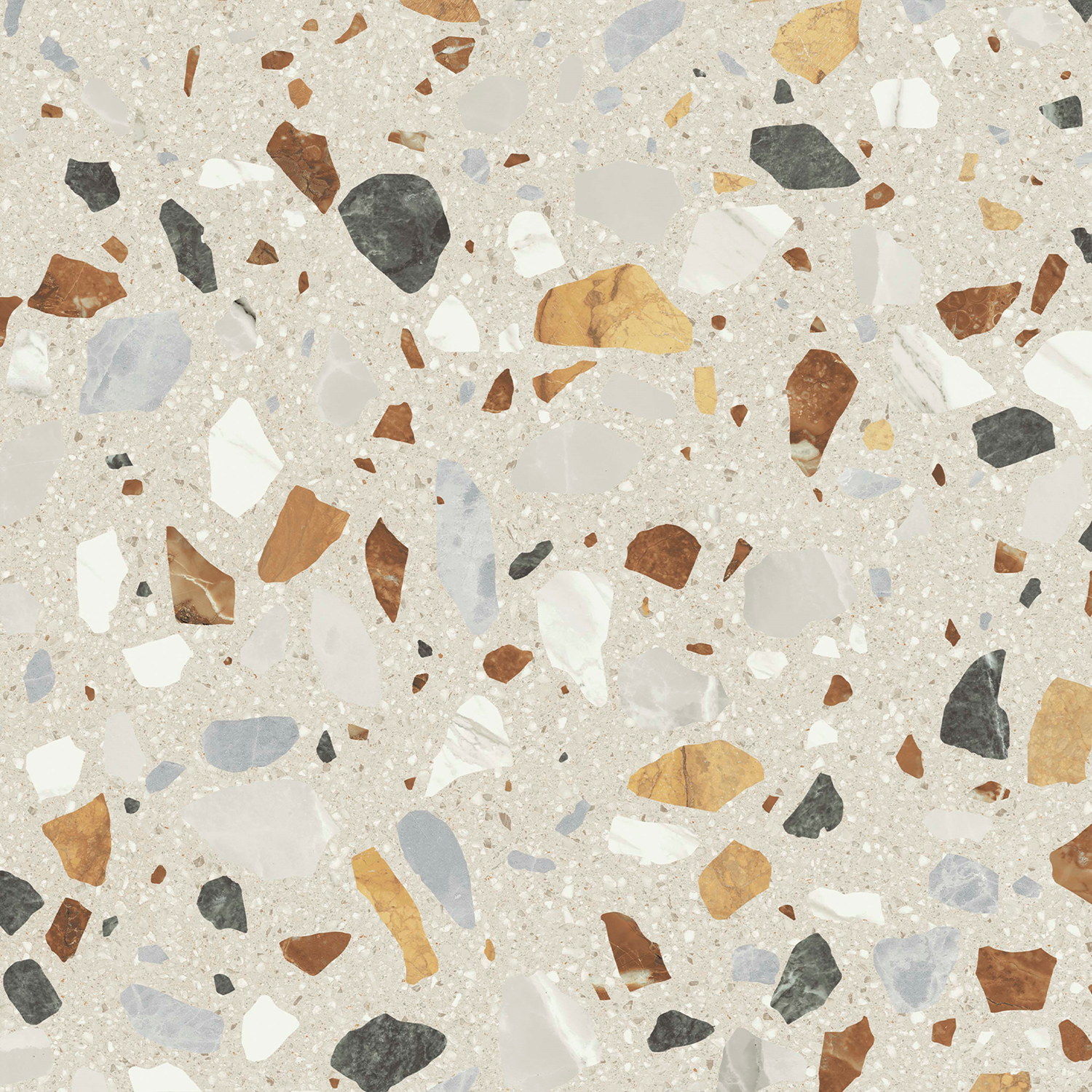
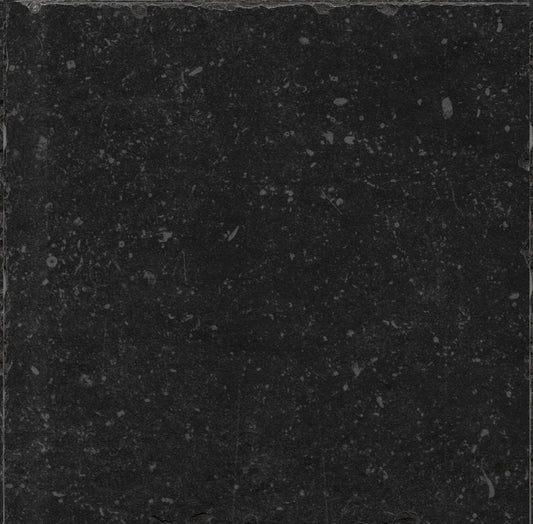
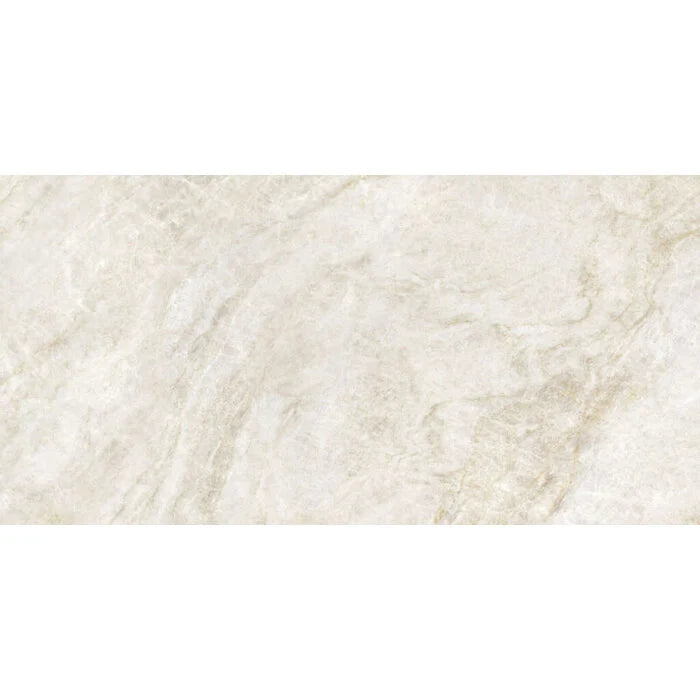


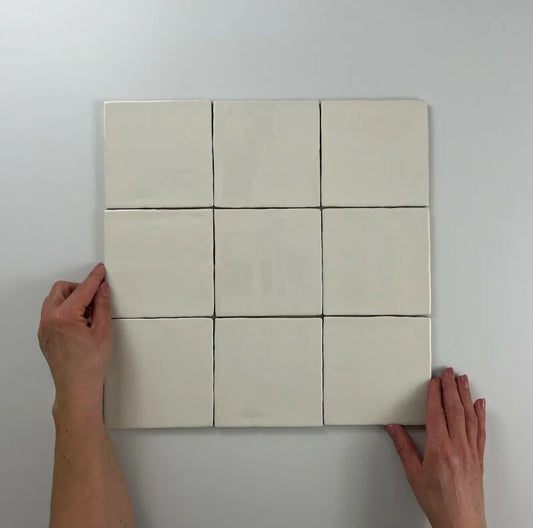
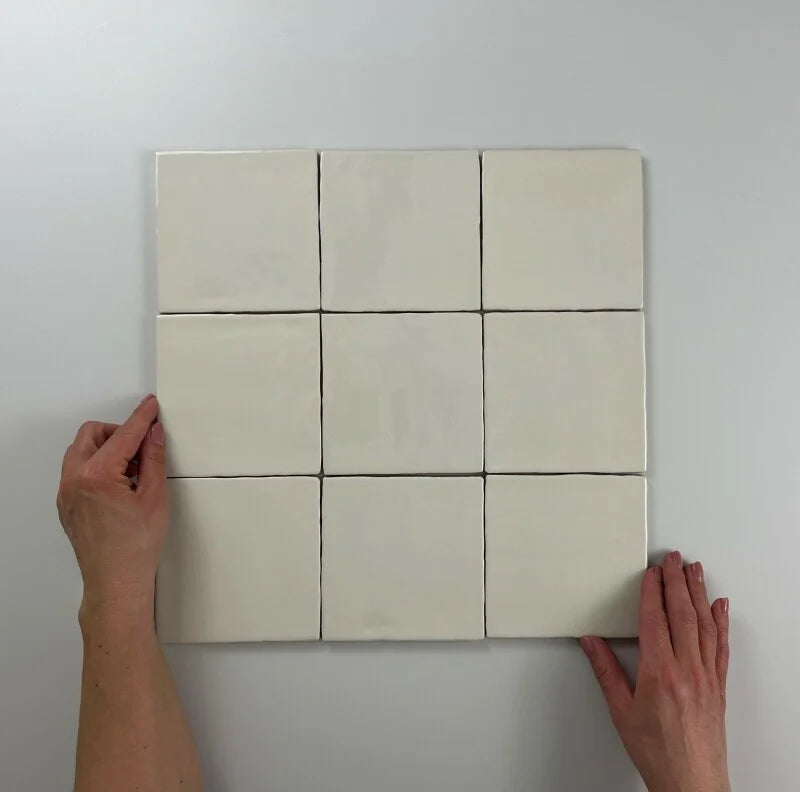


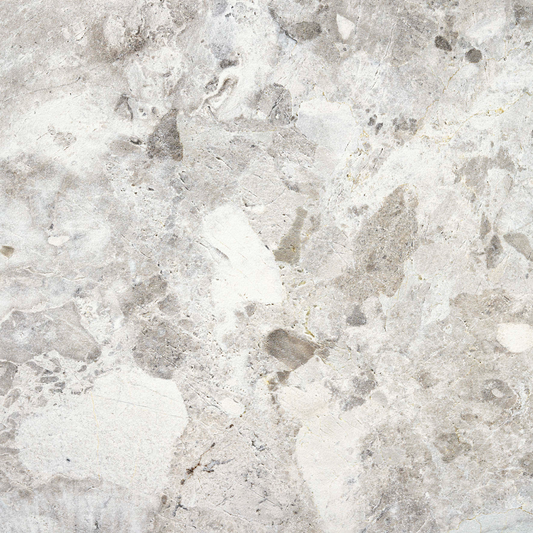
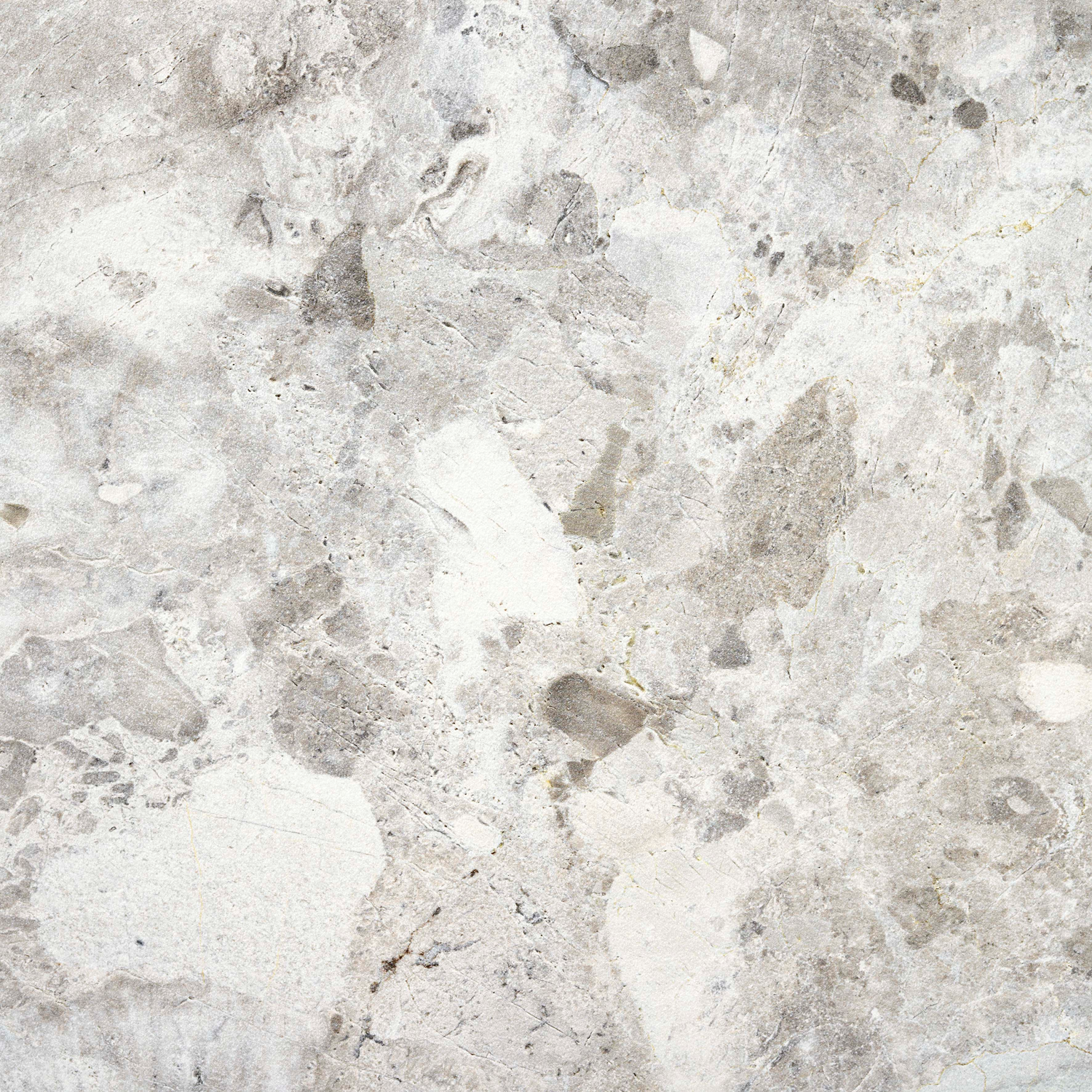


The difference between 60x60 and 60x120 tiles mainly lies in their appearance and the number of grout lines: 60x120 tiles create a more spacious, tranquil, and modern look with fewer grout lines, while 60x60 tiles are more versatile, often more affordable, and suitable for more spaces. Both formats are suitable for floors and walls, provided this is stated for the specific tile.
When furnishing a bathroom, living room, or kitchen, many people hesitate between these two popular formats. The right choice depends on the size of the room, the desired look, your budget, and the installation method. In this article, we list the differences so you can make an informed choice.
What is the difference between 60x60 and 60x120 tiles?
The main difference is the size itself: a 60x60 tile is square, a 60x120 tile is elongated and twice as long. This difference impacts the appearance, the number of grout lines, the price, and the installation.
- Appearance: 60x120 looks more spacious and sleek, 60x60 is calmer and more neutral.
- Grout lines: 60x120 has fewer grout lines per square meter, which creates a more uniform look.
- Price: 60x60 is often more affordable per square meter; the larger format typically costs a bit more.
- Installation: 60x120 is larger and heavier, making installation slightly more labor-intensive.

When do you choose 60x120 tiles?
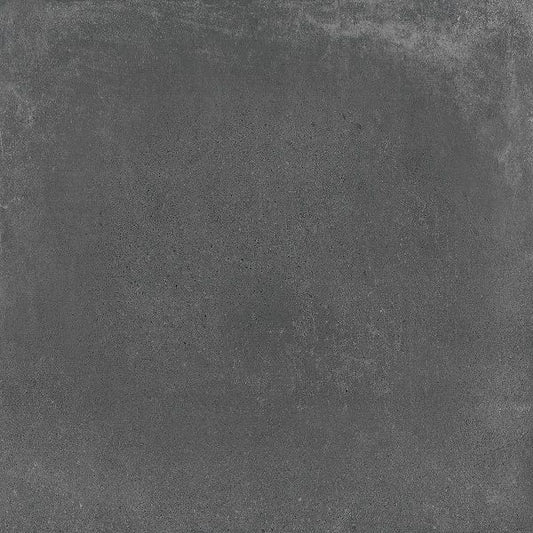
60x120 tiles are an excellent choice if you want a spacious, modern, and tranquil look. Due to their large size, there are fewer grout lines, making the floor or wall appear more uniform and often making the room seem larger. This format is popular in living rooms, spacious bathrooms, and for concrete-look or marble-look tiles, where a continuous pattern is beautifully showcased.
Keep in mind that large tiles require a flat subfloor for a seamless finish. They are also heavier and more difficult to lift and cut, which requires more experience for installation. However, for a calm, luxurious look, 60x120 is often the favorite.
When do you choose 60x60 tiles?
60x60 tiles are versatile and fit into almost any space: bathroom, kitchen, toilet, living room, and hallway. The format gives a calm, timeless appearance and is easier to process than a large format. Additionally, 60x60 is often more affordable per square meter, making it a popular choice for larger areas.
Due to their smaller size, these tiles are lighter, easier to cut, and simpler to install around corners, drains, and obstacles. If you want a neutral base that fits everywhere and doesn't draw too much attention, 60x60 is a safe and flexible choice.
Which format has fewer grout lines?
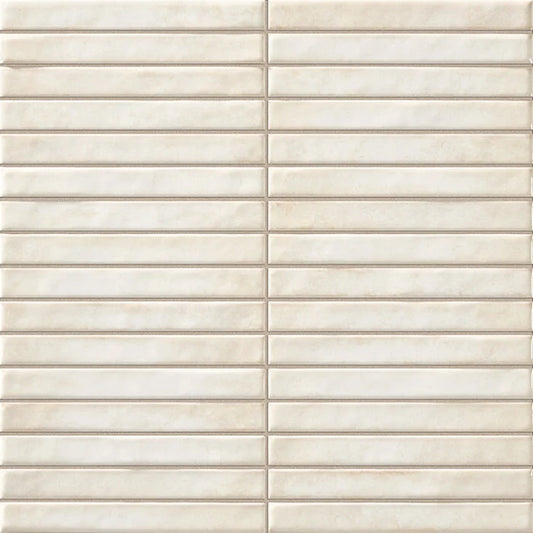
60x120 tiles result in fewer grout lines per square meter than 60x60 tiles, simply because each tile covers a larger area. Fewer grout lines create a more uniform, calmer look and also mean slightly less grouting to clean.
For those who prefer a sleek, continuous floor, this is often a decisive argument for the larger format. However, grout lines are always necessary and useful: they absorb small size differences and movement of the subfloor. A professional will advise you on the correct grout width for each format.
Are 60x60 and 60x120 tiles suitable for floors and walls?
Many 60x60 and 60x120 tiles are suitable for both floors and walls, but this depends on the specific tile. Whether a tile is suitable for the floor, wall, or both is always stated in the product specifications. For floors, the anti-slip rating (R-value) is also important, especially in wet areas such as the bathroom.
Large formats such as 60x120 are increasingly used on walls, for example in bathrooms, for a seamless and luxurious look. Always check the specifications to ensure the chosen tile is suitable for your intended application.
What do 60x60 versus 60x120 cost?
60x60 tiles are often more affordable per square meter than 60x120 tiles, as the production process and the format of large tiles are generally more expensive. The exact price difference depends on the brand, look, and quality of the tile.
When comparing prices, it's best to look at the price per square meter, not the price per tile or per box. This ensures a fair comparison. Also, keep in mind that for any format, you should account for cutting loss, usually around 10 percent. On WDTegels.com product pages, you can use the m² calculator to instantly see how many boxes you need.
Conclusion: Choosing 60x60 or 60x120 tiles
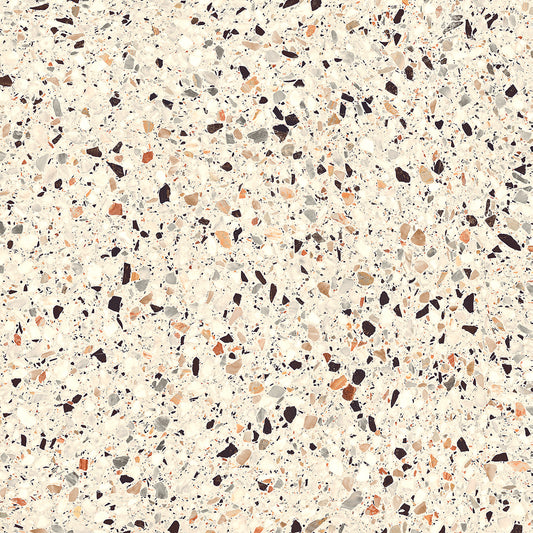
Choose 60x120 tiles if you want a spacious, sleek, and modern look with as few grout lines as possible, and 60x60 tiles if you are looking for a versatile, timeless, and often more affordable base that fits in any space. Both formats are available in popular looks such as concrete, marble, and terrazzo.
When making your choice, always check if the tile is suitable for the floor or wall, and for floor tiles, if the anti-slip rating suits the room. At WDTegels.com, you will find both formats in a wide range of colors and looks, with all specifications clearly listed.
FAQ
What is the difference between 60x60 and 60x120 tiles?
60x120 tiles are elongated and create a more spacious, tranquil look with fewer grout lines. 60x60 tiles are square, more versatile, and often more affordable per square meter.
Which format is better for a small bathroom?
Both can work, but large, light-colored tiles often make a small space appear more spacious. 60x120 creates the fewest grout lines, while 60x60 is easier to work with around obstacles.
Are 60x120 tiles suitable for walls?
Many 60x120 tiles are suitable for walls and provide a seamless, luxurious look. Always check the product specifications to ensure the tile is suitable for wall use.
Which format is more affordable?
60x60 tiles are generally more affordable per square meter than 60x120 tiles. Always compare prices per square meter for a fair comparison.
How much cutting loss should I expect?
For both formats, generally expect about 10 percent cutting loss. With the m² calculator on the product page, you can instantly see how many boxes you need.


