

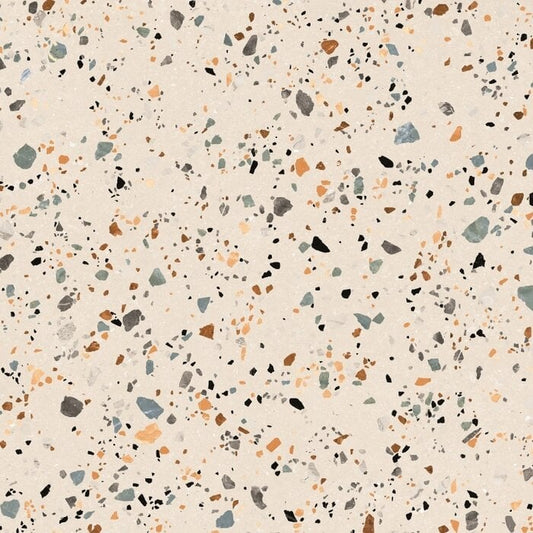
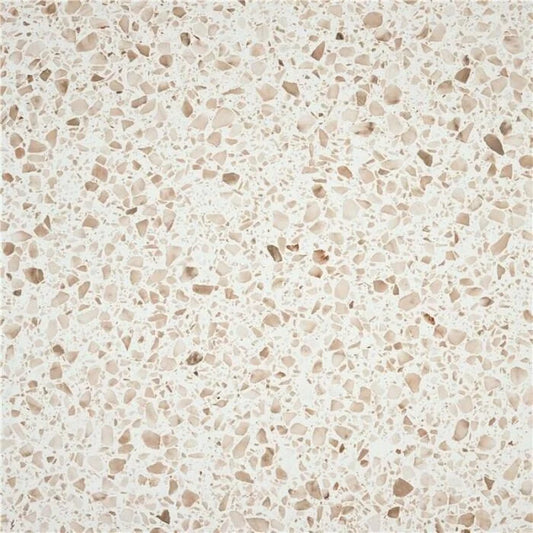
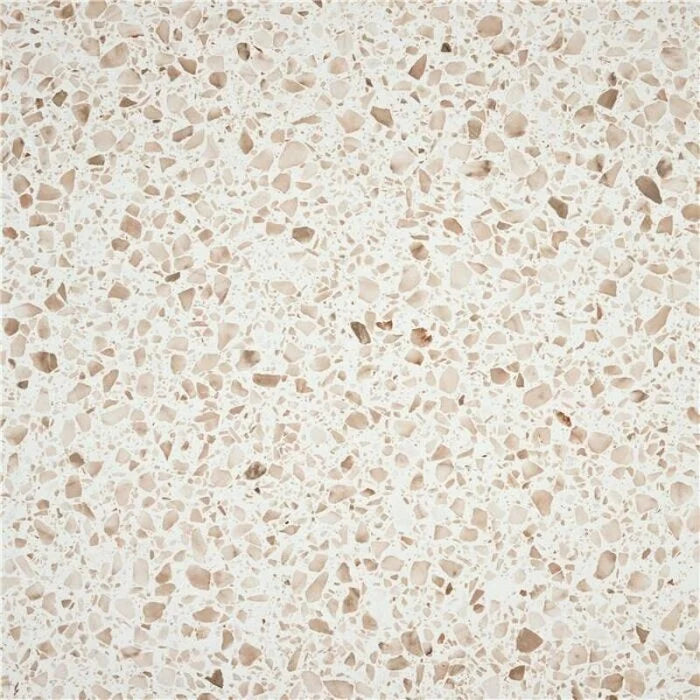
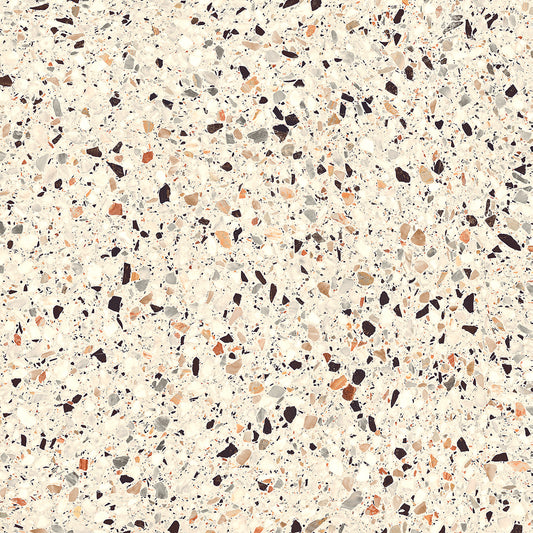
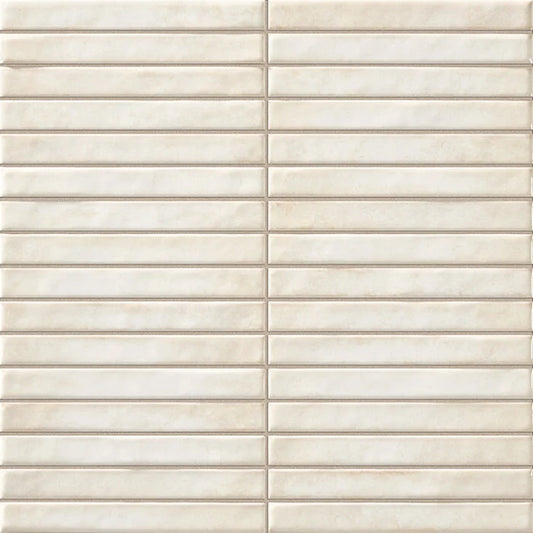
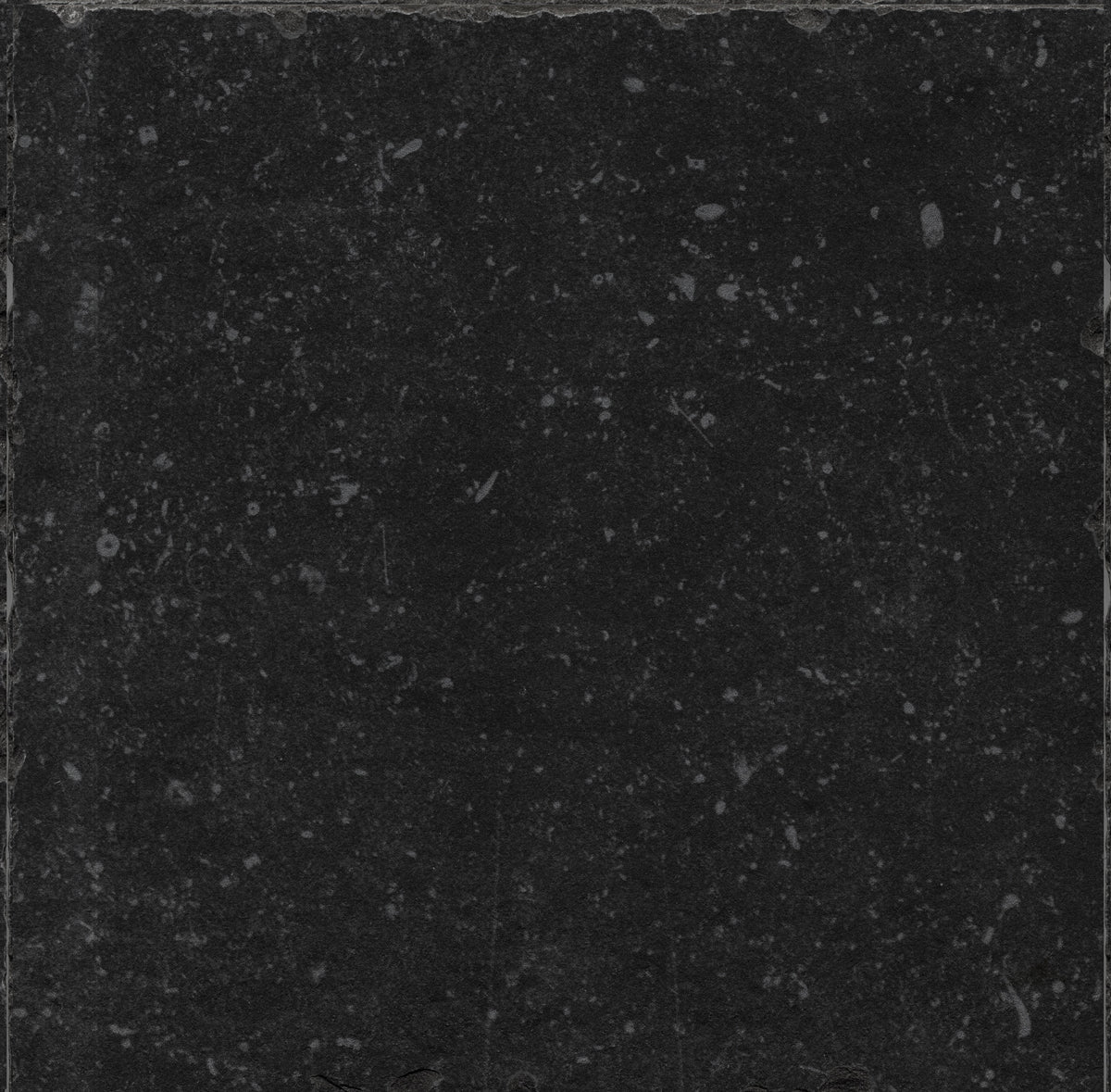
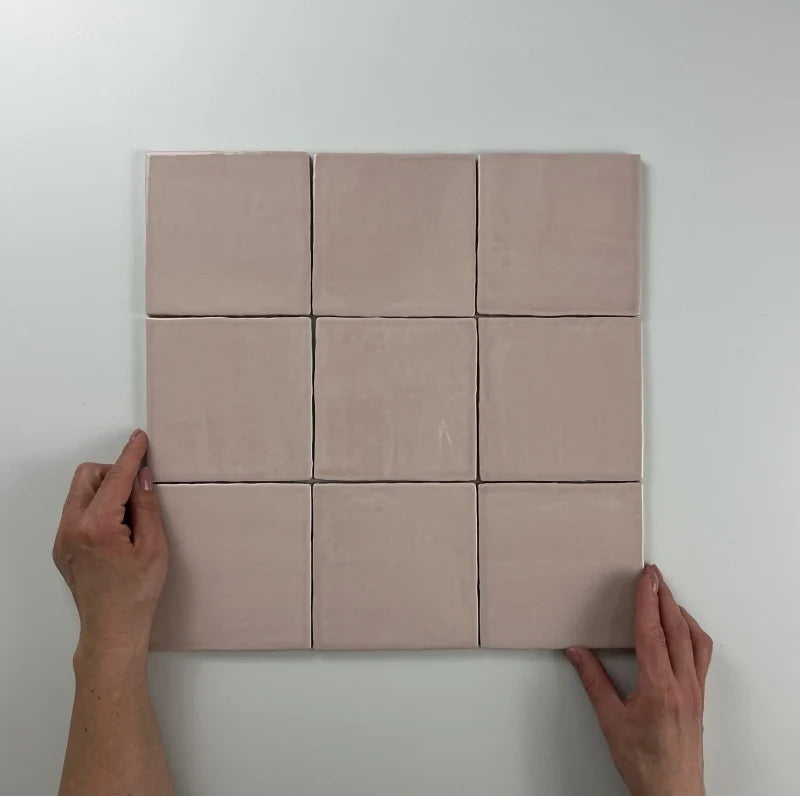
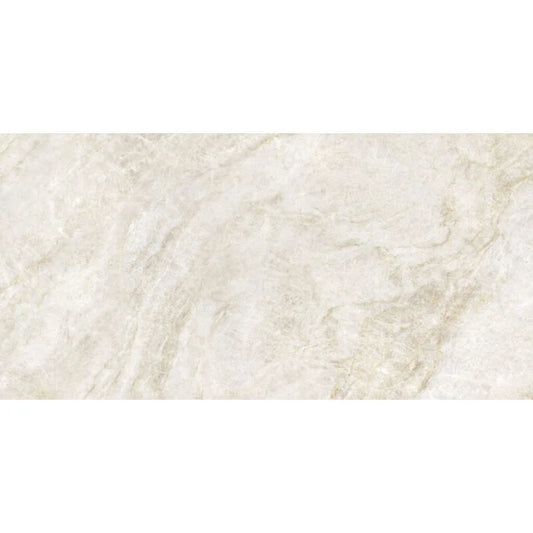


The best way to maintain your floor is by regularly removing dust and dirt, using a suitable cleaning agent, and taking into account the type of flooring. A tiled floor, wooden floor, laminate floor, and PVC floor all require a different approach. While ceramic floor tiles are often strong and low-maintenance, wood and laminate can be more sensitive to moisture and incorrect cleaners.
Good floor maintenance doesn't have to be complicated. With a consistent cleaning routine, the right products, and a few clever precautions, your floor will stay beautiful, clean, and pleasant to use for longer.
Why is floor maintenance important?
A floor endures a lot daily. Think of sand under shoes, moisture near the door, grease in the kitchen, dust in the living room, and sliding furniture. If dirt is left for too long, it can act as an abrasive layer, leading to small scratches, dull spots, or stains.
Incorrect cleaning can also diminish a floor's appearance. Too much water, aggressive cleaners, or products that leave a greasy film can cause streaks, discoloration, slipperiness, or wear. By regularly and properly maintaining your floor, you prevent dirt from accumulating and preserve the floor's appearance for longer.
What's the best way to maintain a floor?
The basics of good floor maintenance are almost the same for every floor: remove dirt promptly, use an appropriate cleaning agent, and don't make the floor wetter than necessary. Always adapt the exact approach to your floor's material.
- Remove loose dirt with a vacuum cleaner or soft broom. Sand, dust, and crumbs can cause scratches or dull spots.
- Use a cleaning agent suitable for the type of floor. Always check the instructions on the packaging.
- Mop or clean with not too much water. Especially wood, laminate, and some PVC floors are sensitive to excessive moisture.
- Rinse or dry if necessary. This prevents cleaning product residues, streaks, or a sticky layer.
- Remove stains immediately. The longer a stain sits, the harder it often is to remove.
- Use doormats and felt pads. These limit dirt, moisture, and scratches from furniture.
- It's better to maintain lightly and regularly than intensely and occasionally. This prevents dirt from building up.
Always test a new cleaning agent first in an inconspicuous spot. This ensures that the floor reacts well to the product.
How to maintain a tiled floor?
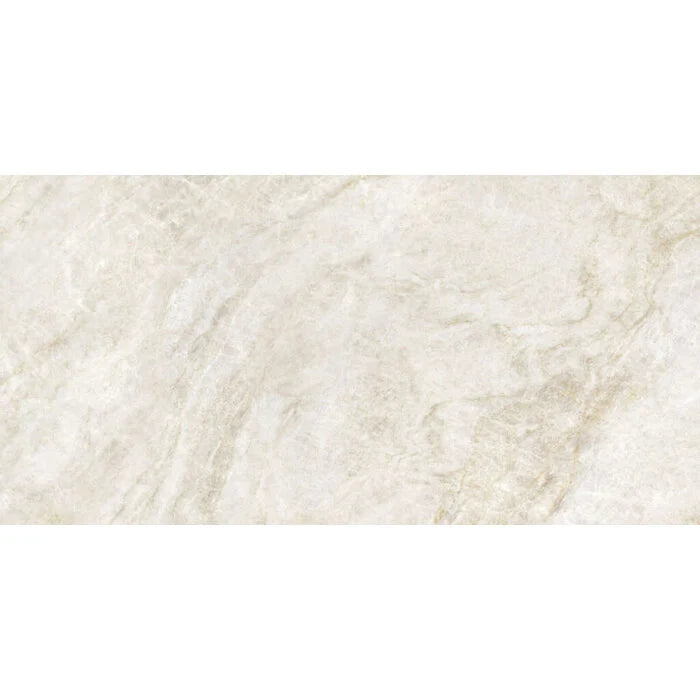
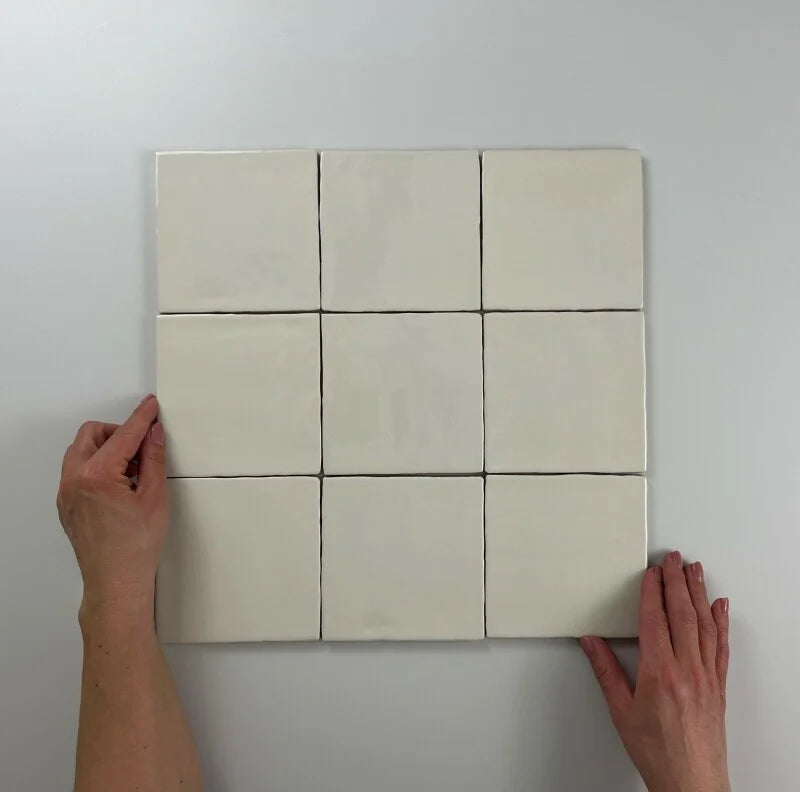
Maintaining a tiled floor is usually easy, especially when it comes to ceramic floor tiles. Ceramic tiles are strong, practical, and easy to keep clean. Nevertheless, regular maintenance is important. Sand and dirt can make the floor look duller over time, especially in high-traffic areas.
Therefore, vacuum or sweep the tiled floor regularly with a soft brush. For cleaning the floor, usually use warm water with a mild cleaning agent or a suitable tile cleaner. Do not use too much cleaning agent, as residues can cause streaks or a haze on the floor. Rinsing with clean water can help remove these residues.
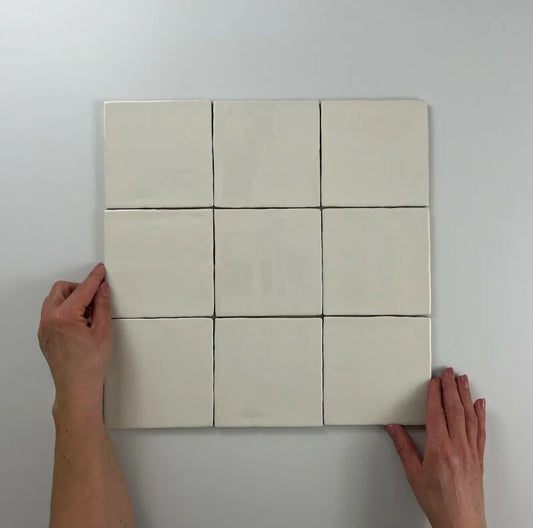
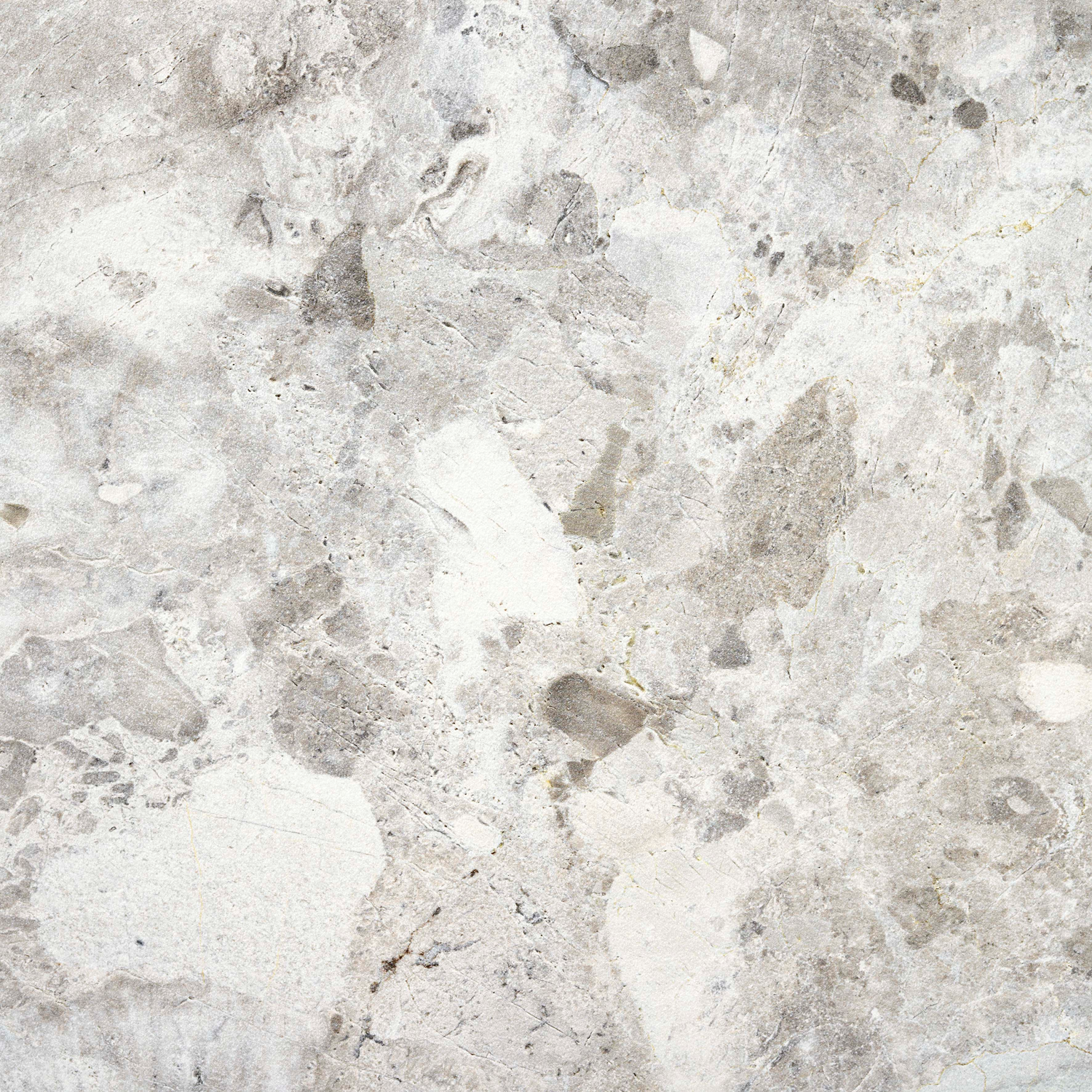
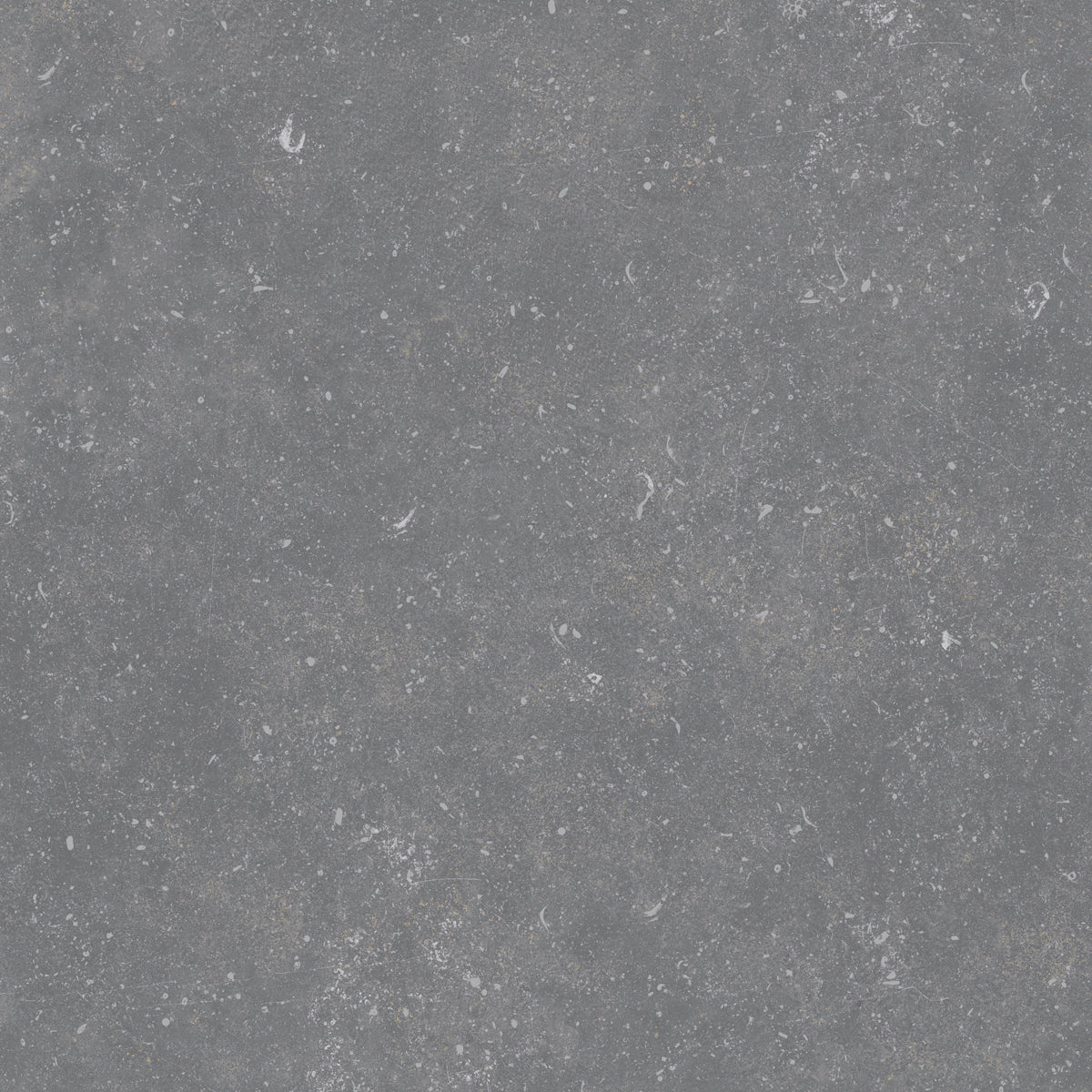
With rough or textured tiles, dirt can accumulate more easily in the surface. In that case, use a soft to medium-hard brush to loosen the dirt better. At WDTegels.com, you will find many ceramic floor tiles for bathrooms, kitchens, living rooms, and other areas. These tiles are low-maintenance, but they look best with regular and appropriate care.

How to maintain a wooden floor?
Maintaining a wooden floor requires more attention than a tiled floor. Wood is a natural material and can react to moisture, temperature, and humidity. Therefore, mopping too wet is not a good idea. Water can penetrate the wood and cause stains, warping, or damage.
Regularly remove dust and sand with a vacuum cleaner with a soft brush or a dry floor wiper. Mop only lightly damp and use a cleaner suitable for wooden floors. Consider the floor's finish, such as oil, varnish, or wax. An oiled wooden floor often requires different maintenance than a varnished floor.
It's best to remove stains immediately with a lightly damp cloth. Do not use aggressive cleaning agents, abrasive cleaners, or large amounts of water. Always follow the maintenance instructions from your wooden floor supplier.
How to maintain a laminate floor?
Maintaining a laminate floor is relatively easy, but laminate does not tolerate too much moisture well. When water penetrates the seams, edges can swell, or the floor can be damaged. Therefore, always mop laminate with a well-wrung mop.
Vacuum the floor regularly with a soft brush. This removes sand and dirt before it causes scratches or a dull haze. For mopping, preferably use a mild product suitable for laminate. Use little cleaning agent and prevent water from pooling on the floor.
It's best to clean up spills immediately. This prevents moisture from penetrating the seams. Avoid aggressive cleaners, hard brushes, and steam cleaners, unless the floor manufacturer clearly states that it is safe.
How to maintain a PVC floor?
Maintaining a PVC floor is usually simple. PVC is practical to use and easy to keep clean, but sand, dirt, and incorrect cleaning agents can also affect its appearance. Especially products that leave a greasy or shiny layer can cause streaks or a slippery feeling.
Vacuum the PVC floor regularly with a soft brush. Then mop lightly damp with a cleaner suitable for PVC. Do not use too much cleaning agent and always follow the dosage on the packaging. Too much soap can leave residues, making the floor appear dirty faster.
Use felt pads under chairs and furniture to minimize scratches. A good doormat helps to keep sand and moisture out. Remove stains and dirt as quickly as possible so they cannot penetrate or bake on.
Which cleaning products should you not use to maintain your floor?
Not every cleaning product is suitable for every floor. Avoid overly aggressive degreasers, abrasive cleaners, chlorine, bleach, and hard brushes. These can damage the finish or cause scratches. Too much vinegar is also not suitable for every floor, especially not for natural stone, wood, or sensitive finishes.
Preferably do not use products that leave a greasy or shiny layer. These can make the floor slippery and attract dirt. Also, be careful with steam cleaners. On some floors, heat or moisture can cause damage, especially with wood, laminate, and certain PVC floors.
Ceramic tiles are often stronger than wood, laminate, or PVC. However, even for floor tiles, a suitable cleaning agent is better than aggressive cleaning. Always check the label and, if in doubt, test first in an inconspicuous spot.
Common mistakes in floor maintenance
A common mistake is mopping too wet. This can cause problems, especially with wood and laminate, but streaks or cleaning residues can also appear on other floors. Therefore, it's better to use a lightly damp mop than a soaking wet one.
Using the wrong cleaning product is also common. A product suitable for tiles is not automatically suitable for wood or laminate. Moreover, dosing too much cleaning agent can lead to a sticky layer, streaks, or a dull floor.
Additionally, many people leave sand and dirt for too long. Sand is abrasive and can slowly dull the floor. Allowing stains to set is also unwise, especially for wood, laminate, and PVC. Therefore, use doormats, felt pads under furniture, and clean up spills immediately.
Conclusion: How do you best maintain your floor?
Maintaining your floor starts with regular cleaning, using the right product, and taking into account the type of floor. Remove dust and sand promptly, do not mop too wet, and use a cleaner suitable for your floor. Always check the instructions on the packaging and test new products first in an inconspicuous spot.
Tile floors and ceramic floor tiles are often low-maintenance and strong. Wood, laminate, and PVC especially require extra attention to moisture, cleaning product residues, and scratches. With a calm, regular maintenance routine, you will keep your floor beautiful, clean, and pleasant to use for longer.
Frequently asked questions about floor maintenance
What's the best way to maintain your floor?
You maintain your floor best by regularly vacuuming or sweeping, using a suitable cleaning agent, and not mopping too wet. Always consider the type of floor.
How often should you clean a floor?
Vacuuming or sweeping is best done several times a week, especially in high-traffic areas. Mopping is usually sufficient weekly or as needed, depending on the floor's use.
How do you maintain a tiled floor?
You maintain a tiled floor by regularly removing dirt and mopping with warm water and a suitable tile cleaner. Rinse or dry if cleaning product residues remain.
Which cleaning agent is suitable for floor maintenance?
That depends on the floor type. Use a suitable tile cleaner for tiles, a wood cleaner for wood, a laminate cleaner for laminate, and a PVC cleaner for PVC. Always follow the label instructions.
Which cleaning products should you avoid for floor maintenance?
Avoid aggressive degreasers, abrasive cleaners, chlorine, bleach, too much vinegar, and products that leave a greasy layer. Also, do not use a steam cleaner if your floor is not suitable for it.


