

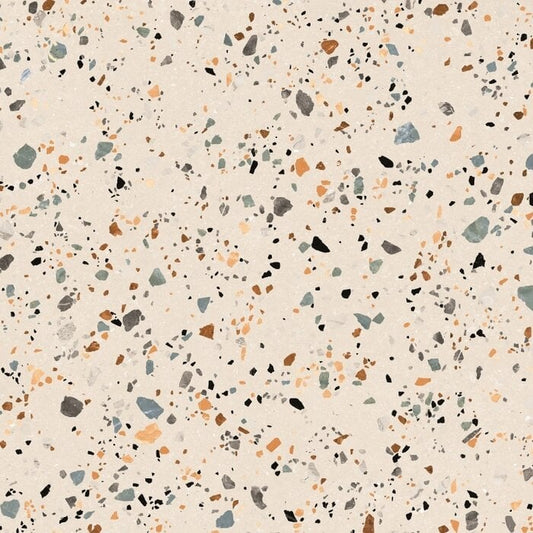
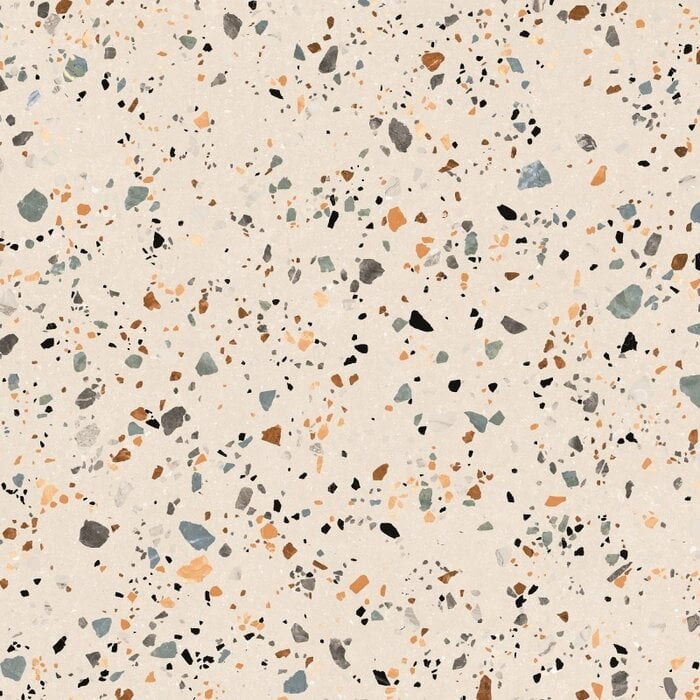
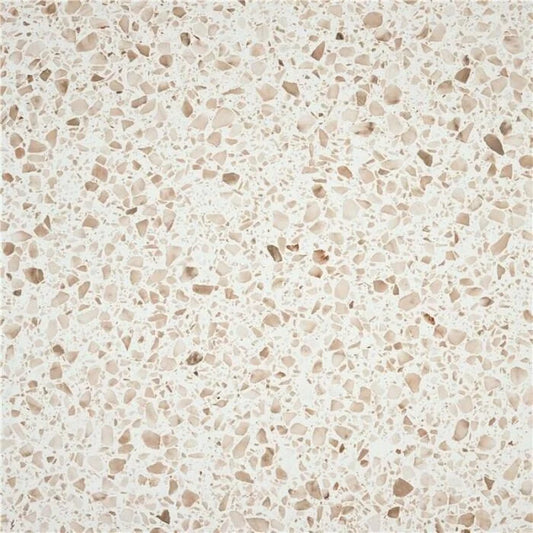
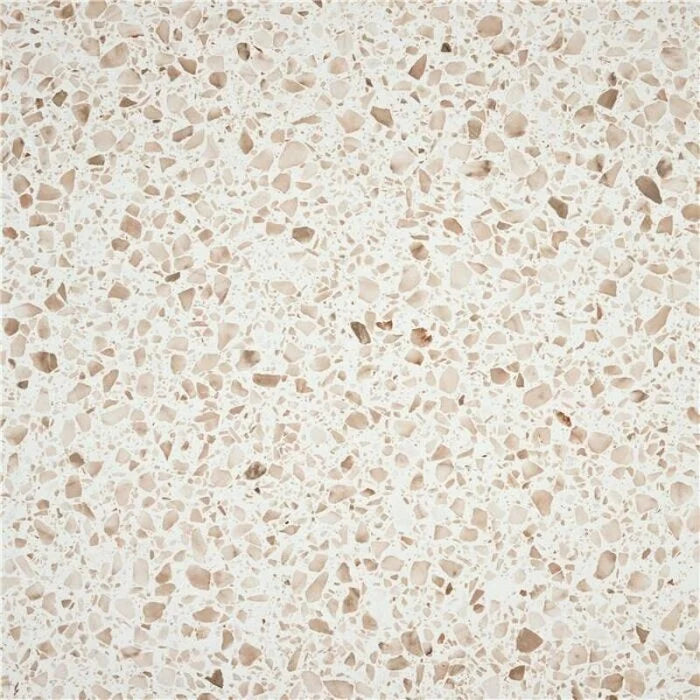
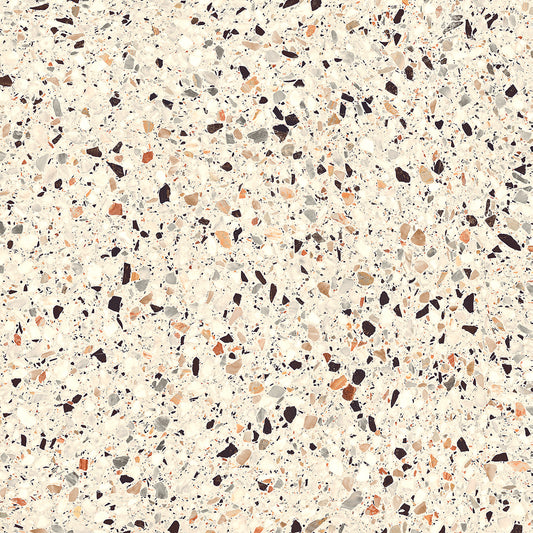
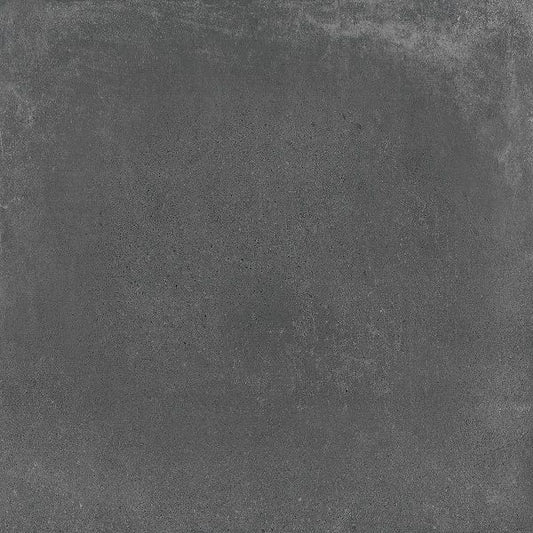
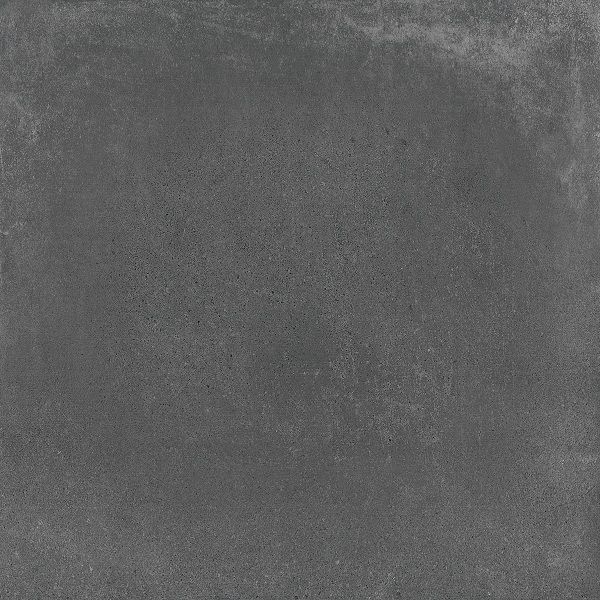
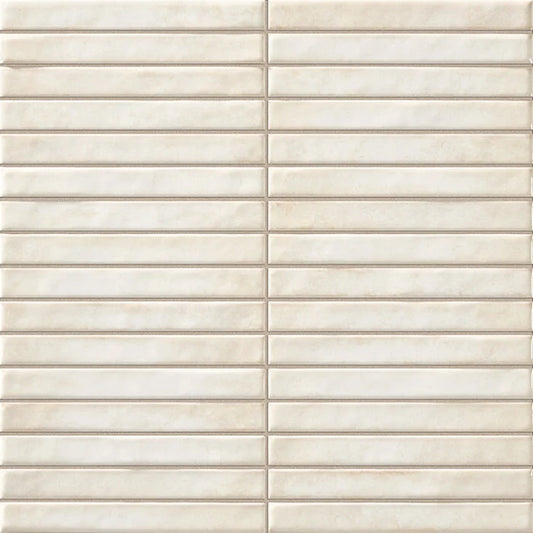






You can usually remove cement film most safely with warm water, a suitable cement film remover, and a soft or medium-hard sponge or brush, as long as the product is suitable for your type of tile. Always test the cleaning agent first in an inconspicuous area to prevent damage to tiles, grout, or finishes.
After grouting, a dull haze can remain on the tiles. This looks untidy, especially on dark, matte, or textured tiles. Fortunately, removing cement film from tiles is quite possible, as long as you work carefully and use the right product.
What is cement film?
Cement film is a thin, dull haze that can remain after grouting tiles. This haze is often light gray, whitish, or matte in color. It usually consists of small remnants of cement, grout, or mortar that dry on the tile surface.
Initially, cement film sometimes looks like ordinary dust or dirt. However, it is often more stubborn. When the residues dry, they adhere to the tile. This gives the floor or wall a dull appearance, even if the tiles have been laid neatly.
How does cement film form on tiles?
Cement film usually forms after grouting. During grouting, grout is spread over the tiles. Excess grout is then removed with water and a sponge. If this is not done in time or thoroughly enough, fine residues remain on the tile surface.
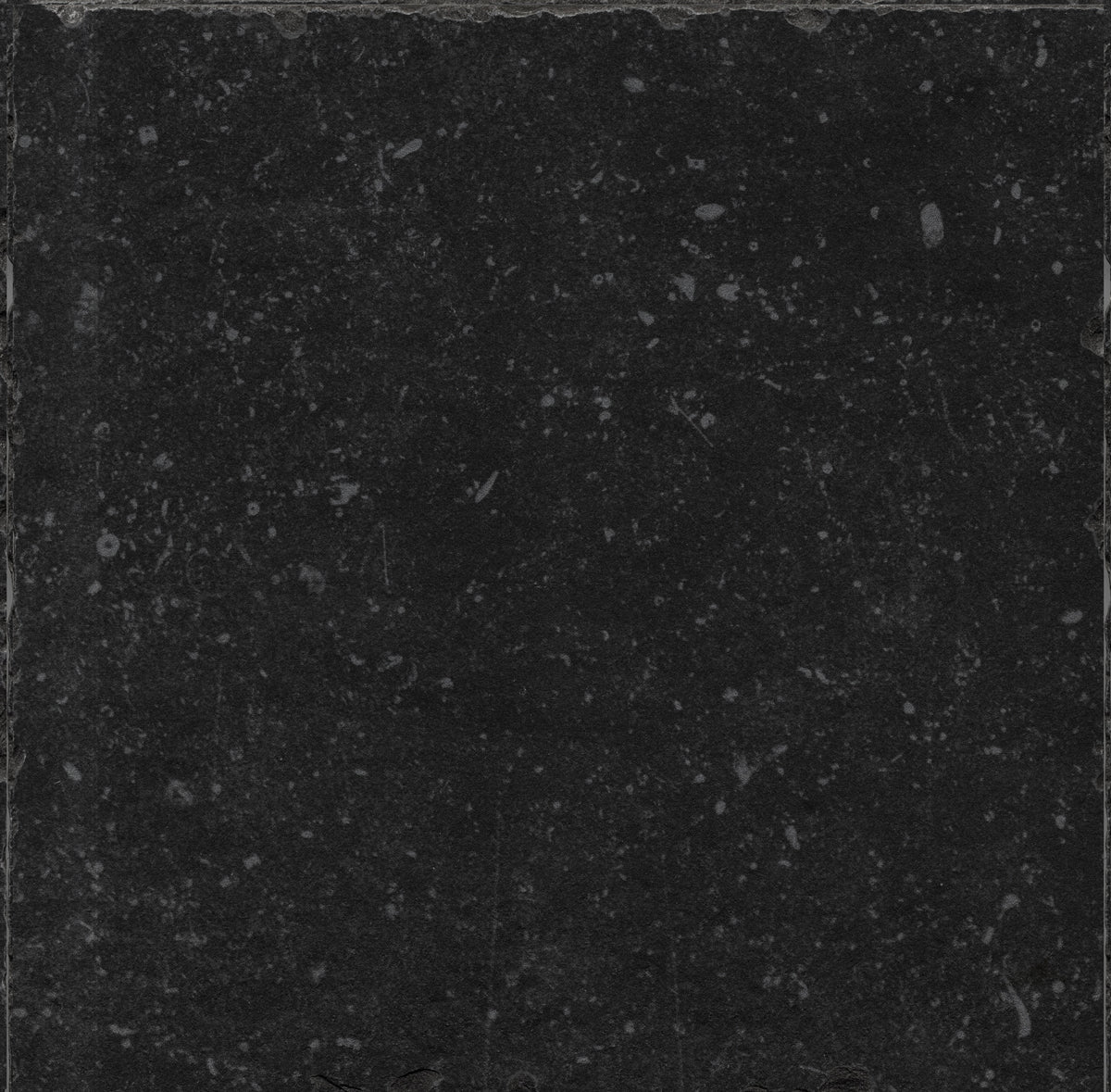
The haze often becomes more visible on dark tiles, matte tiles, and textured tiles. On rough or relief tiles, grout residues can more easily get stuck in the texture. Also, on large surfaces, such as a tiled floor, cement film can form more quickly if the rinse water is not changed often enough.
How do you remove cement film without damaging your tiles?
Removing cement film from tiles requires a calm and controlled approach. Do not use aggressive agents without first checking if they are suitable. Many cement film removers are acidic. This can work well on certain ceramic tiles, but is not suitable for every type of tile.
- Remove loose dirt and dust. First, clean the tiles with a soft broom, vacuum cleaner, or dry cloth.
- Lightly moisten the tiles. This helps prepare the surface and prevents the cleaner from working too strongly on dry grout.
- Test the cleaning agent. Always try the cement film remover first in an inconspicuous area.
- Use a suitable product. Choose a cement film remover or mild cleaner that matches your type of tile and grout.
- Allow to soak briefly. Follow the instructions on the packaging and do not let the product dry out.
- Scrub carefully. Use a sponge, cloth, or soft to medium-hard brush. Avoid steel wool and harsh abrasives.
- Rinse thoroughly. Use plenty of clean water to remove remnants of cement film and cleaning agent.
- Dry the tiles afterwards. Then check if the haze has disappeared. Repeat the treatment only if the product allows it.
Preferably work in small sections. This way, you maintain control over the soaking time and prevent the product from remaining on the tiles for too long.
How do you remove cement film from ceramic tiles?
Ceramic tiles are usually well resistant to cleaning and are widely used as floor tiles, wall tiles, bathroom tiles, kitchen tiles, and garden tiles. However, this does not mean that you can simply use any cleaning agent. Even ceramic tiles can become dull or damaged if a product is applied incorrectly.
For cement film on ceramic tiles, a suitable cement film remover can often be a good choice. Always check if the product is suitable for ceramics and follow the instructions on the packaging. Do not use the product stronger or longer than recommended.
For matte or textured ceramic tiles, thorough rinsing is extra important. Residues of cleaner or loosened cement particles can remain in the texture. Therefore, rinse thoroughly with clean water and then dry the tiles well. At WDTegels.com, you will find many ceramic tiles for floors, walls, bathrooms, kitchens, and gardens. Especially with new tile projects, a good final cleaning is important for a neat end result.

How do you remove cement film from bathroom tiles?
Cement film on bathroom tiles is common after tiling or grouting a new bathroom. Before using the bathroom daily, it is advisable to clean the tiles thoroughly. This prevents cement film from mixing with limescale, soap residue, and moisture.
In the bathroom, work extra carefully around sealant edges, taps, shower drains, floor drains, and sanitary ware. Some cleaners can affect metal parts, sealant edges, or delicate finishes if they are left on for too long. Therefore, apply the product specifically to the tiles and rinse well with clean water.
Do not leave any cleaning agent on grout, metal parts, or sanitary ware. Dry the bathroom tiles well after cleaning. This way, you can see more quickly whether the haze has completely disappeared and prevent new stains from drying water.
What products can you use to remove cement film from tiles?
A special cement film remover is often the most targeted choice for removing cement film from tiles. These products are designed to loosen cement and grout residues. However, be careful: many cement film removers are acidic and therefore not suitable for all types of tiles.
For ceramic tiles, a cement film remover can often be used, provided the product is suitable for ceramics. For matte or textured tiles, careful rinsing is extra important. For bathroom tiles, you need to consider sealant edges, taps, and sanitary ware. For outdoor tiles or patio tiles, the contamination can sometimes be more stubborn, requiring multiple careful treatments.
For natural stone, cement tiles, and other sensitive materials, you must be extra careful. Materials such as marble, bluestone, travertine, limestone, and cement-bound tiles can be sensitive to acidic cleaners. Only use a product that is clearly suitable for this surface. If in doubt, always test first in an inconspicuous area or ask for advice before you start.
What products and mistakes should you avoid?
Do not use overly aggressive products if it is not necessary. Acidic cleaners can cause damage to natural stone, cement tiles, calcareous tiles, sensitive grout, or certain finishes. Also, vinegar, citric acid, or other acidic household products are not automatically safe for every tile.
Avoid steel wool, harsh abrasives, and scrubbing too hard. This can cause scratches, dull spots, or damage. Also, never let a cement film remover work longer than stated on the packaging. If the product dries, residues can remain or the surface can be unevenly affected.
Never mix cleaning agents. This can cause unwanted reactions and increases the risk of damage. Always rinse thoroughly with clean water after cleaning. This removes both cement film residues and cleaning agent residues.
How do you prevent cement film on new tiles?
Preventing cement film is easier than removing it afterwards. During grouting, work in small sections and remove excess grout in time. Use a clean sponge and change the rinse water regularly. Dirty water can leave a haze on the tile surface again.
Do not let grout dry on the tiles. Always follow the instructions for the grout, including the waiting time and the first cleaning after grouting. Cleaning too early or too hard can damage the grout, while cleaning too late can lead to stubborn cement film.
For matte, dark, or textured tiles, it is wise to work extra carefully. Check regularly that no haze remains. After drying, you can often lightly wipe the tiles again with a clean cloth, as long as this is within the instructions of the grout used.
Conclusion: removing cement film from tiles without damage
You can safely remove cement film from tiles by choosing the right product, testing it first in an inconspicuous area, scrubbing carefully, and rinsing thoroughly. Never simply use aggressive or acidic cleaners, especially not on natural stone, cement tiles, or other sensitive materials.
Ceramic tiles are usually easier to clean than natural stone or sensitive tiles, but careful work remains important here too. Always follow the instructions on the packaging of the cement film remover and the cleaning agent. This way, you can remove cement film safely and your tiling will remain beautifully finished.
FAQ
How do you remove cement film without damaging your tiles?
Use a suitable cement film remover, test first in an inconspicuous area, and work with a sponge or soft brush. Then rinse thoroughly with clean water.
How do you remove cement film from ceramic tiles?
On ceramic tiles, you can often use a cement film remover that is suitable for ceramics. Always follow the packaging instructions and rinse matte or textured tiles extra well.
How do you remove cement film from bathroom tiles?
Work carefully around sealant edges, taps, shower drains, and sanitary ware. Use a suitable product, let it soak briefly, scrub gently, and rinse well with clean water.
Can you remove cement film with vinegar?
Vinegar can sometimes loosen cement residues, but it is not suitable for every tile. Especially natural stone, cement tiles, and sensitive finishes can be damaged. It is better to choose a suitable cement film remover.
When should you remove cement film after grouting?
Preferably remove cement film as soon as the grout has sufficiently hardened according to the manufacturer's instructions. Do not wait too long, as old cement film is often more difficult to remove.


