



The safest way to remove limescale from tiles is by using a suitable cleaning agent, warm water, a soft sponge or brush, and thoroughly rinsing, as long as the agent is appropriate for the tile type. Always test a limescale remover in an inconspicuous area first. This prevents damage to tiles, grout, sealant edges, or finishes.
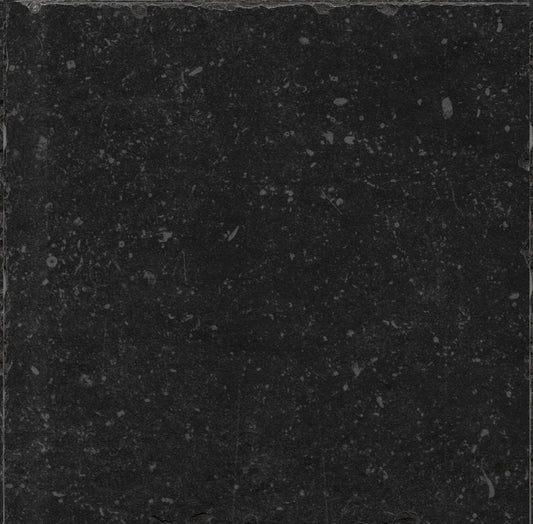
Limescale primarily occurs in bathrooms, showers, and around sinks. On light-colored tiles, it may be less noticeable, but on dark bathroom tiles, a white film or dull spots can quickly appear. With the right approach, you can remove limescale from tiles without excessive scrubbing or using aggressive products.
Why does limescale form on tiles?
Limescale forms when hard water dries on tiles. Tap water contains minerals such as calcium and magnesium. As water droplets evaporate, these minerals remain on the tile surface. This appears as white deposits, a dull film, or a rough layer on the tile.
This happens more quickly in the bathroom than in many other rooms. Shower tiles, wall tiles near the sink, and floor tiles around the shower regularly get wet. When water remains and dries, limescale has the opportunity to build up. Soap residue and body oils can also make the deposits more stubborn.
What is the best way to remove limescale from tiles without damaging them?
Removing limescale from tiles requires a gentle and controlled approach. It's better to use multiple mild treatments than one aggressive cleaning session. Always follow the instructions on the packaging of the cleaning product or limescale remover.
- Remove loose dirt and dust. First, clean the tiles with a soft cloth, broom, or vacuum cleaner.
- Lightly moisten the tiles. This helps to prepare the surface and prevents the product from drying out too quickly.
- Test the cleaning agent. Always try the product first in an inconspicuous area.
- Use a suitable limescale remover or mild tile cleaner. Check that the product is suitable for your tile type.
- Allow to work briefly. Adhere to the contact time stated on the packaging and do not let the product dry.
- Scrub gently. Use a soft sponge, microfiber cloth, or soft brush. Avoid harsh scouring pads.
- Rinse thoroughly. Use clean water to remove residue of limescale and cleaning agent.
- Dry the tiles well. This limits new limescale formation and immediately shows if the deposits have disappeared.
Preferably work in small sections. This way, you maintain control over the contact time and prevent cleaning agent from remaining on the tile, grout, or sealant edge for too long.
How do you remove stubborn limescale from tiles?
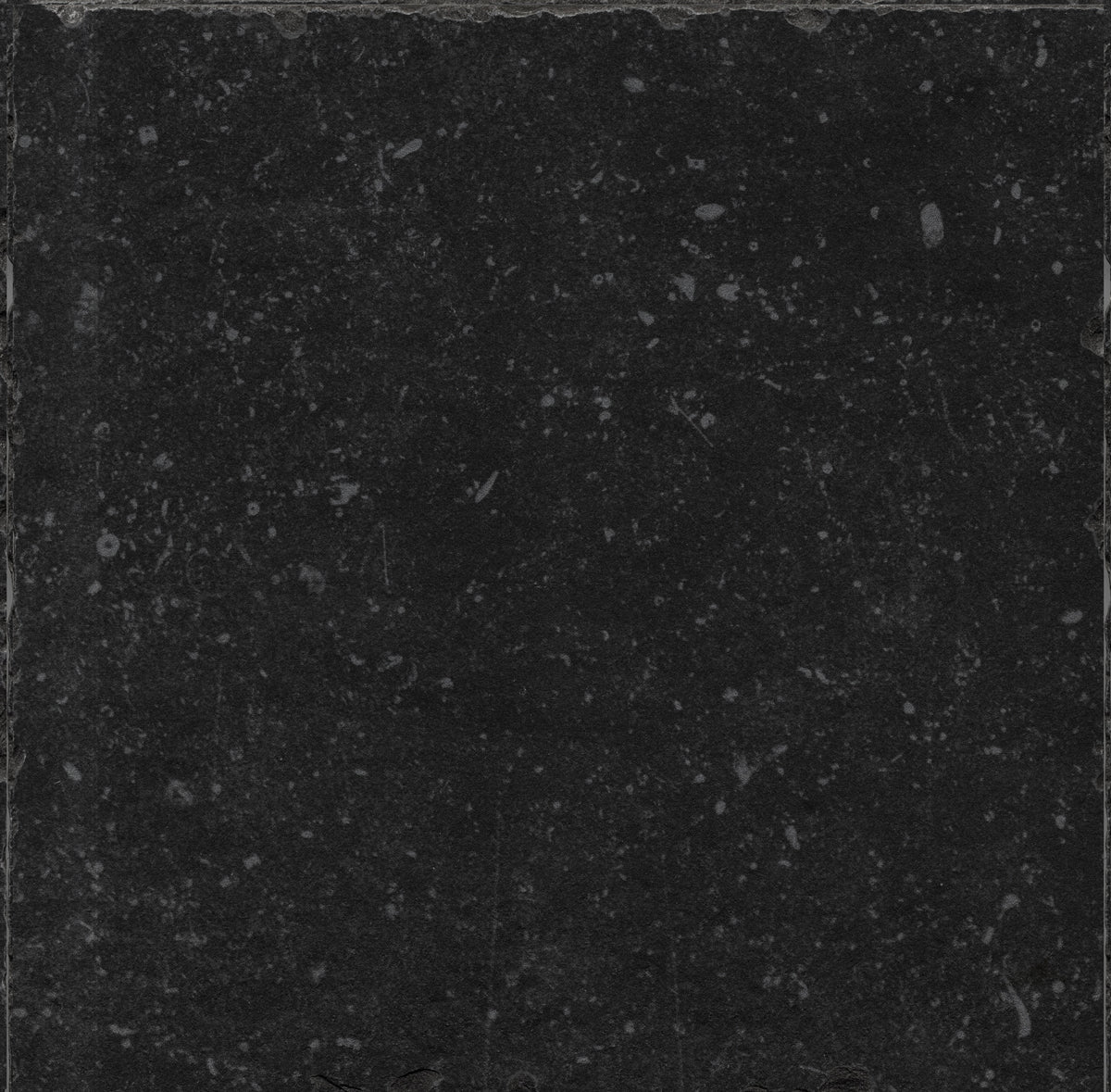
Stubborn limescale often forms when water droplets, soap residue, and limescale remain for a longer period. The deposits then become thicker and adhere more strongly to the tile surface. This is especially visible on dark bathroom tiles, matte tiles, and tiles with a slight texture.
For stubborn limescale, use a suitable limescale remover for tiles and let it work briefly according to the packaging instructions. Then scrub gently with a soft sponge or brush. Rinse well with clean water and dry the tiles immediately.
If limescale remains, it's better to repeat the treatment than to scrub harder. Steel wool, harsh scouring pads, and aggressive acids can cause scratches, dull spots, or damaged grout. Caution is especially important with natural stone, cement tiles, and sensitive tile types.
Which products are effective for removing limescale on ceramic tiles?
Ceramic tiles are usually strong, easy to maintain, and easy to clean. For removing limescale from ceramic tiles, a suitable limescale remover or tile cleaner often works well. Always check that the product is suitable for ceramics and follow the instructions on the packaging.


